How to Start a Daily Reading Habit in 7 Simple Steps

How to Start a Daily Reading Habit in 7 Simple Steps
Want to read more but find it hard to stick with a book? You do not need an ambitious yearly reading goal or a perfect home library to begin. This guide explains how to start a daily reading habit in seven simple, realistic steps: choose a book you like, begin with a few minutes, connect reading to an existing routine, and keep the experience enjoyable. Each photo illustrates a practical part of the process, and every idea can be adapted to a busy schedule or a small living space.
In This Article
- 1. Choose a Book That Matches Your Interests
- 2. Start With Just Five Minutes of Reading
- 3. Pair Reading With a Routine You Already Have
- 4. Choose One Comfortable Place to Read
- 5. Keep Your Current Book Easy to Reach
- 6. Use Your Library to Keep Reading Interesting
- 7. Track What You Enjoy, Then Adjust Your Habit
1. Choose a Book That Matches Your Interests

The photograph shows rows of books arranged on a wooden bookshelf, with plenty of different titles to choose from. That variety is a good starting point: an enjoyable reading habit begins with a subject you are curious about, not with a list of books you feel obligated to finish. If you like suspense, select a mystery; if you enjoy travel, try a memoir set somewhere interesting; if long novels feel intimidating, begin with short stories or a collection of essays. Look at the description, sample a few pages, and notice whether you want to continue. You can start with a book already on your shelf rather than buying another one. Keep your first choice realistic for your current schedule and attention span. A 150-page book you want to pick up is more useful for building a routine than a 600-page classic you dread opening. You do not have to finish a book that consistently feels like a chore; try another genre or writing style and see what holds your interest. The goal of this first step is to make opening a book feel inviting and manageable.
2. Start With Just Five Minutes of Reading

In this picture, a woman is sitting in a chair beside a window and reading a book. The photo captures a quiet reading moment, not a stopwatch or a specific number of pages. At home, make that moment small enough to repeat: choose five minutes a day, or another amount you can comfortably manage. Try setting a gentle timer if it helps you begin, then put the phone out of reach while you read. Some days you might read only two pages, and other days you may want to keep going. Both count. Focus on returning to the book regularly instead of measuring your worth by how many chapters you finish. If you miss a day, simply pick up the book during your next available window; there is no need to start the whole plan over. Readers with busy schedules can use a short break, a few minutes before bed, or a quiet part of the weekend. As your routine becomes more natural, increase the time only if you genuinely want to. Keeping the first goal easy helps you notice whether the book itself is enjoyable.
3. Pair Reading With a Routine You Already Have

The photograph shows a person reading at a table with drinks and small snacks nearby. It is a practical example of combining a book with a moment that already happens during the day. Choose a reliable cue, such as having your morning tea, sitting down after lunch, or taking an afternoon break, and read for a few minutes when that cue occurs. You are not required to buy a special mug or prepare a complicated ritual. Simply leave your current book where you normally sit, or bring it with you when you make a drink. If you are eating, keep the book far enough from spills and wash your hands before handling a borrowed copy. For a calm start to the day, you can connect reading to a simple routine from our gentle morning routine ideas. The advantage of this approach is that you do not have to invent a completely new time slot: reading becomes an optional, pleasant part of something familiar. If that moment turns out to be hectic, try a different cue instead of deciding you are bad at keeping habits. Consistency becomes easier when the routine fits your actual life.
4. Choose One Comfortable Place to Read
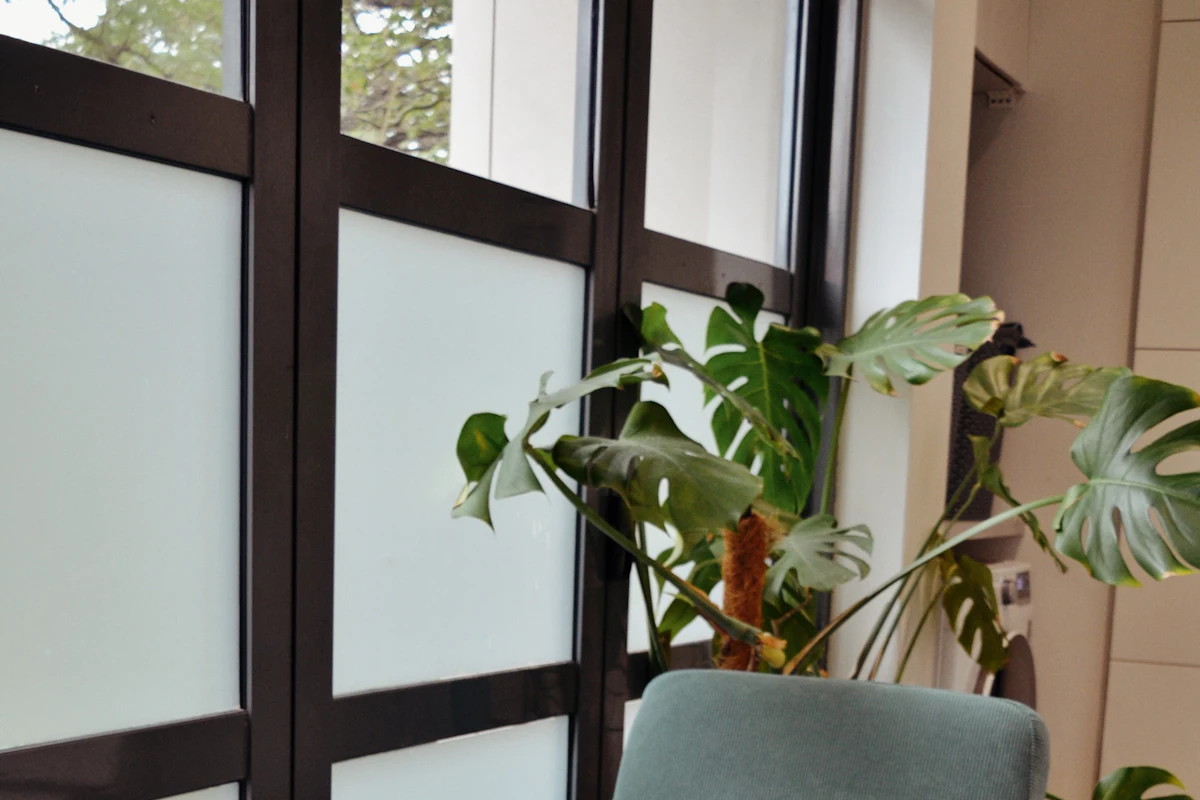
This image features a cozy chair beside a green houseplant, creating a simple reading corner without a large furniture arrangement. You can apply the same idea with a chair, one cushion, and a nearby surface for a book. The spot does not need to be beautiful enough for a photograph; it needs to feel comfortable enough that you want to sit there. Choose a place where you can support your back and hold a book at a comfortable angle. If the light is dim, add a suitable reading lamp rather than straining to see the page. Keep pathways clear and electrical cords secure, especially in a narrow bedroom or shared living area. A windowside chair may be lovely during the day, but avoid placing valuable books in strong sunlight where covers may fade. If a dedicated chair is not possible, use the end of the couch or a corner of your bed. Our cozy reading nook ideas for small spaces offer additional ways to choose seating and lighting. A small, predictable spot can make reading easier to begin, but it should work with the furniture you already own.
5. Keep Your Current Book Easy to Reach
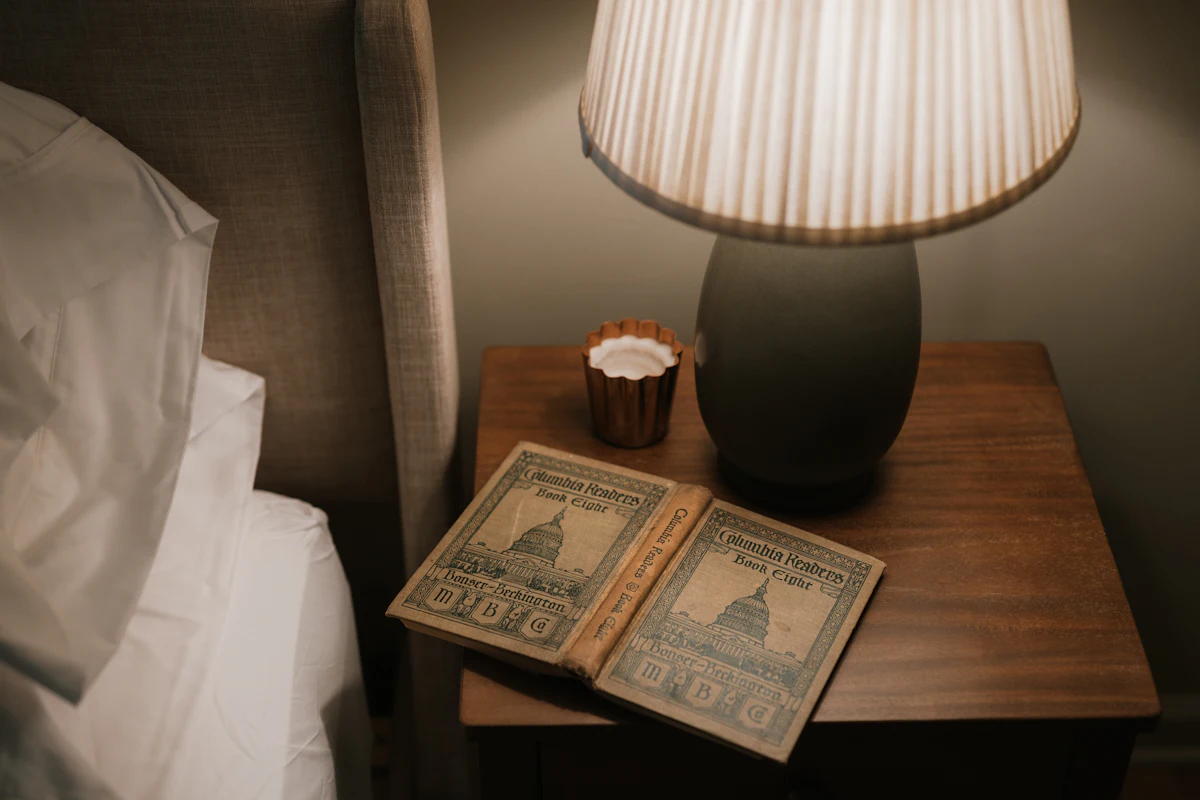
An open book rests on a bedside table beside a lamp in the photograph. It is a clear illustration of how leaving a book visible can make it easier to remember an activity you want to repeat. Put the book you are currently reading somewhere safe and convenient: beside your usual chair, on a nightstand, or in the bag you carry for daily travel. If you read in bed, keep a soft bookmark nearby so you can close the book without folding its pages. Use a small tray or existing shelf if you want to protect the cover from spills. Do not pile books or paper against a hot light fixture, and choose a stable lamp that suits the space. If you are trying to spend less time scrolling, moving your phone a little farther away from the reading spot may help, but keep emergency access practical. You can also bring a paperback on a commute, provided it is safe to read while traveling and you are not driving. This step is about removing one small obstacle: when the book is already within reach, choosing to read does not require searching through drawers or shelves.
6. Use Your Library to Keep Reading Interesting

The picture shows books stacked on wooden shelves in a cozy room. Although the scene is not identified as a specific public library, the shelves are a useful reminder that you have many possible next reads beyond the books you already own. Check your local public library for a free or low-cost library card, then browse its physical collections for a genre you enjoy. Borrow one or two books at a time to avoid creating a large to-be-read pile that feels stressful. If you prefer digital reading, a participating library may offer ebooks and audiobooks through Libby, which says borrowing through the service is free with an eligible library card. Collections and borrowing rules vary by library, so check your library website for details. Audiobooks are a useful alternative for someone who enjoys listening while walking or doing suitable household tasks, though they do not replace every kind of visual reading. Write down titles you are curious about and try a new author when your interest fades. The best reading habit has enough variety to stay enjoyable without turning book shopping into another chore.
7. Track What You Enjoy, Then Adjust Your Habit

The final photo shows someone using a pen and notebook with reading materials nearby. The scene is about note-taking rather than a visible reading tracker, but it suggests a simple way to remember what you read. In a small notebook, record the book title, the date you started it, and one sentence about something you found interesting. If you prefer, draw a tiny check mark on days you read. You do not need a spreadsheet, a complicated app, or a strict books-per-year target. The purpose is to notice which types of stories keep you coming back and which reading times fit your week. After seven days, review your notes: did you read more often after breakfast or before bed? Did a mystery feel easier to pick up than a business book? Change one thing based on what you learned. If you enjoy reflecting on a page, our daily journaling guide offers ideas for keeping your notes simple. A log can be useful, but it should never become more work than the reading itself. A good habit is one you can return to, even after a busy week.
Practical Tips for Your First Week
Instead of trying all seven changes at once, choose a few that fit your current life. A short, flexible plan is easier to repeat than a reading challenge built around unrealistic numbers.
- Day 1: Pick a book that interests you and read the opening pages to see whether you enjoy it.
- Days 2–3: Choose a five-minute reading window connected to something you already do.
- Days 4–5: Leave your book within reach and make your regular reading spot comfortable.
- Day 6: Explore your public library or write down two possible books to try next.
- Day 7: Jot down what you liked and choose one small adjustment for next week.
Final Thoughts
Starting a daily reading habit is less about finishing many books than about making room for stories and ideas you genuinely enjoy. One appealing book, a few minutes of reading, and a comfortable place are enough to begin. If your schedule changes, adjust the time rather than abandoning the habit. Research on reading for pleasure and wellbeing suggests that enjoyment and personal meaning matter, but a reading routine is not a medical treatment or a promise of specific health results. Make the experience yours, and let the habit grow at a pace that feels sustainable.
Useful Resources and Photo Credits
- Pinterest Hobbies Trend Report 2026 — background on renewed interest in offline hobbies.
- Reading for wellbeing: a realist review of evidence — research exploring possible relationships between reading for pleasure and wellbeing.
- Libby: What is Libby? — official information about borrowing eligible digital titles through a public library.
- Unsplash License — permitted reuse of licensed original photography.
- Photo credits: Vitaly Gariev; Peter Barrett Bryan; Vitaly Gariev; Mackenzie TerHaar; Elsa Tonkinwise; Clay Banks; Khanh Do; Kelly Sikkema. Each image was individually cropped to 3:2 and optimized as WebP.
You May Also Like
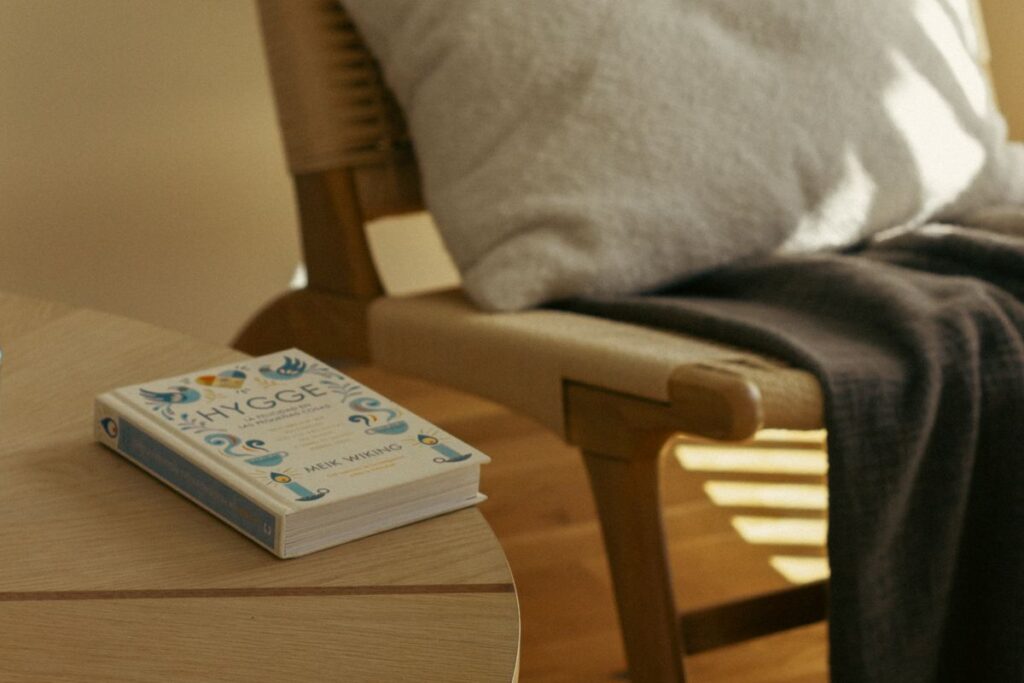
7 Cozy Reading Nook Ideas for Small Spaces
Find simple ways to arrange a comfortable reading chair, book storage, and useful lighting without a large room.