7 Beautiful Things to Do in Rome, Italy (With Practical Travel Tips)
7 Beautiful Things to Do in Rome, Italy (With Practical Travel Tips)
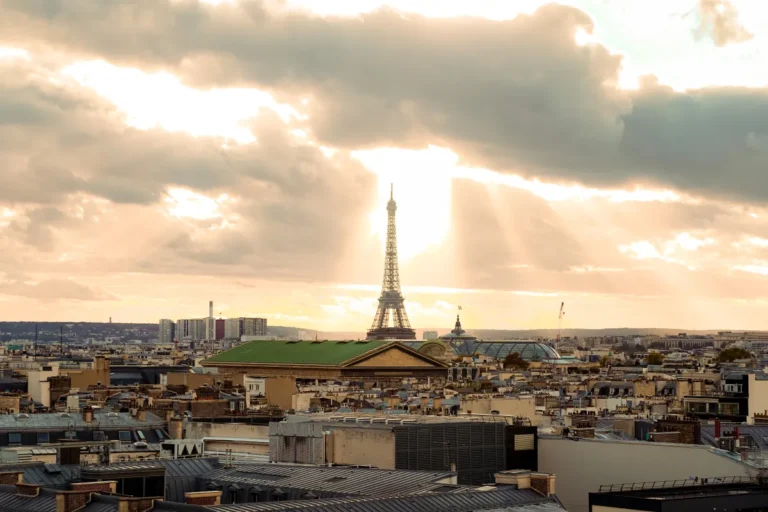
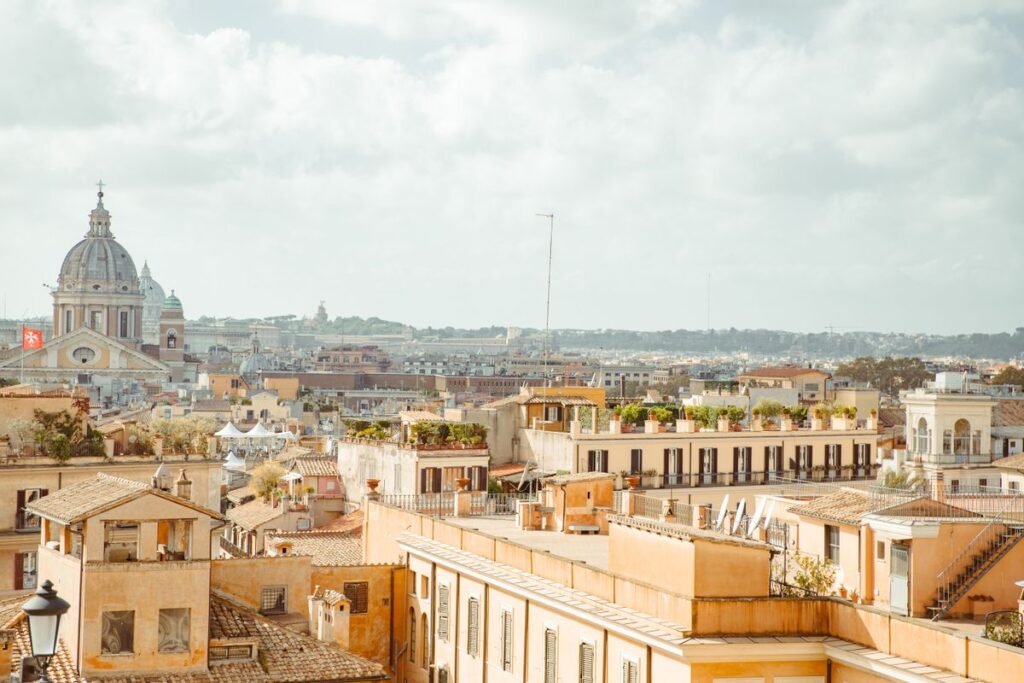
From centuries-old domes rising above sunlit rooftops to beautiful fountains tucked between narrow streets, Rome is a city best explored at a thoughtful pace. The panoramic skyline in the opening photograph offers a glimpse of its unforgettable layers of history. These beautiful things to do in Rome, Italy combine the classic landmarks with practical Rome travel tips to help you plan an enjoyable first visit without trying to do everything in a single day.
For a day focused on ancient Rome, pair the Colosseum and Forum. Leave the Vatican visit for a separate block of time.
1. Explore the Colosseum’s Ancient Arches
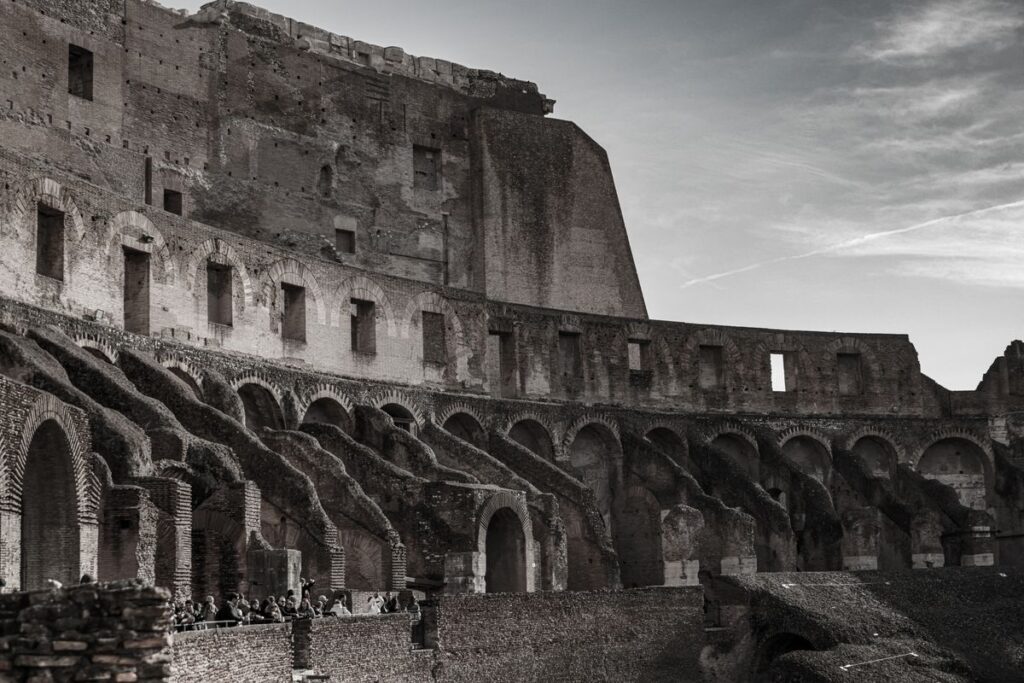
Walking around the Colosseum gives you a sense of its scale, but an entry ticket lets you explore designated areas inside the amphitheater. Book through the official Colosseum Archaeological Park website, which explains ticket types, opening hours and timed-entry rules. Entry times must be reserved in advance and named tickets require identification, so double-check that the details on the booking match your ID. Allow enough time for security and for wandering around the exterior without rushing.
2. Wander Through the Roman Forum
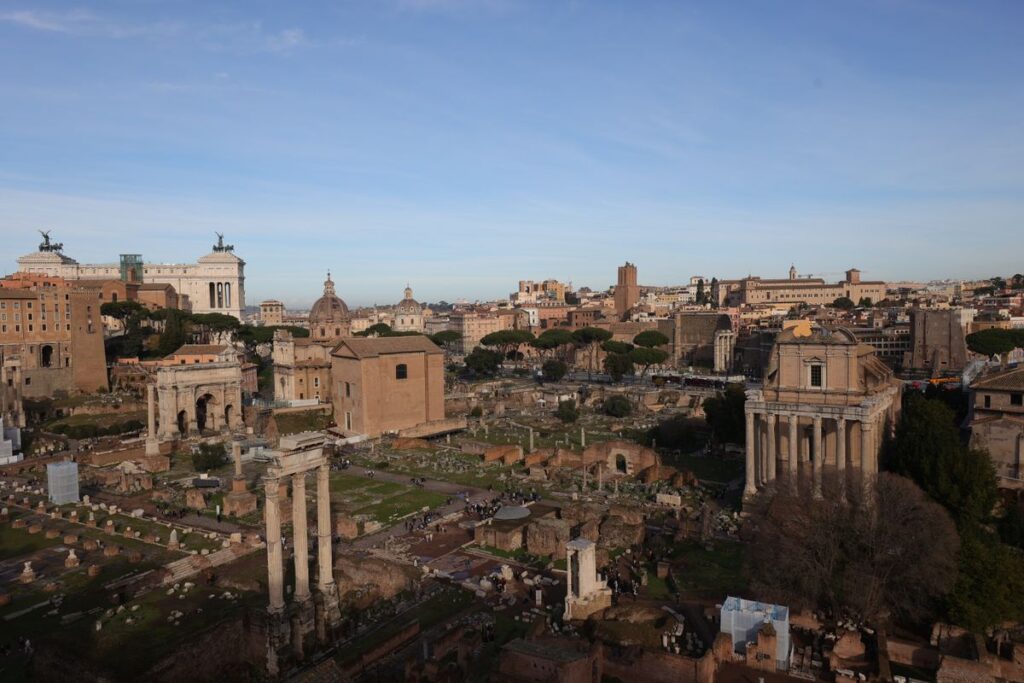
The broken columns and ancient walls in this photograph show part of the Roman Forum, once a central place for public and civic life in ancient Rome. Today you can follow paths through the ruins and imagine the scale of the temples, basilicas and gathering spaces that once stood here. Many standard Colosseum tickets also include access to the Roman Forum and Palatine Hill; confirm what is included with your particular ticket before you arrive. Expect uneven ground and limited shade, so wear supportive walking shoes and bring water. The official Forum ticket information is the best place to check current access rules.
3. Admire the Sculptures of Trevi Fountain
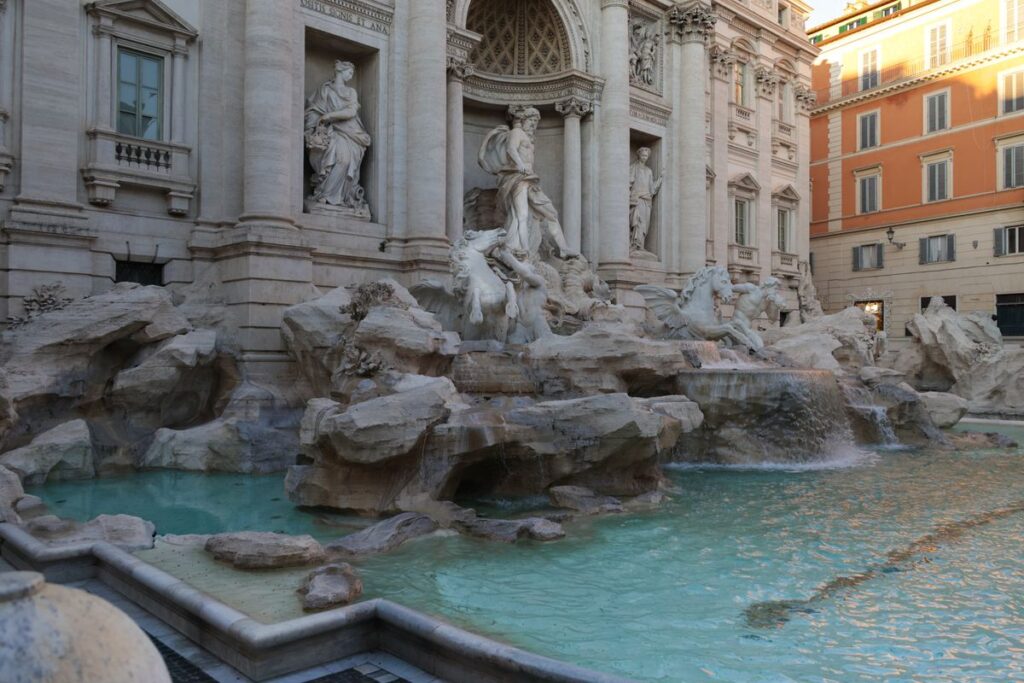
The marble figures and flowing blue water visible here are the defining details of Trevi Fountain, a dramatic Baroque landmark built against Palazzo Poli. The square can be busy, especially at popular visiting hours, so allow a little extra time to appreciate the architecture rather than rushing in for a photo. Importantly, since February 2, 2026, Rome charges non-resident visitors €2 to enter the area closest to the fountain basin during designated hours, while other viewing areas remain accessible under separate rules. Check the official Rome tourism page for Trevi Fountain for current access, exemptions and any changes to visiting arrangements.
4. Visit the Pantheon and Its Historic Square
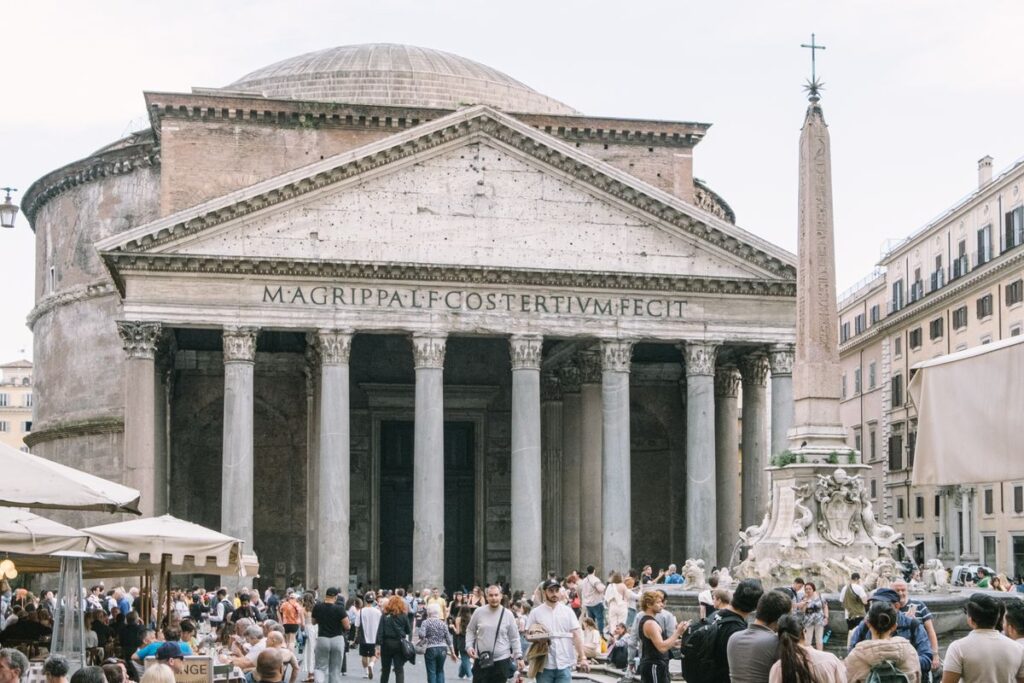
The monumental columns and triangular pediment in this photograph mark the Pantheon, one of Rome’s most impressive surviving ancient buildings. Outside, Piazza della Rotonda is a lively place to pause and take in the scale of the portico. Inside, look up to the huge dome and its central oculus, which admits natural light. Admission conditions, ticket prices and any religious-service restrictions can change, so consult Turismo Roma’s official visitor information before your visit. Dress respectfully and do not rush straight back outside: the building’s interior is as memorable as its facade.
5. Enjoy the Atmosphere of Piazza Navona
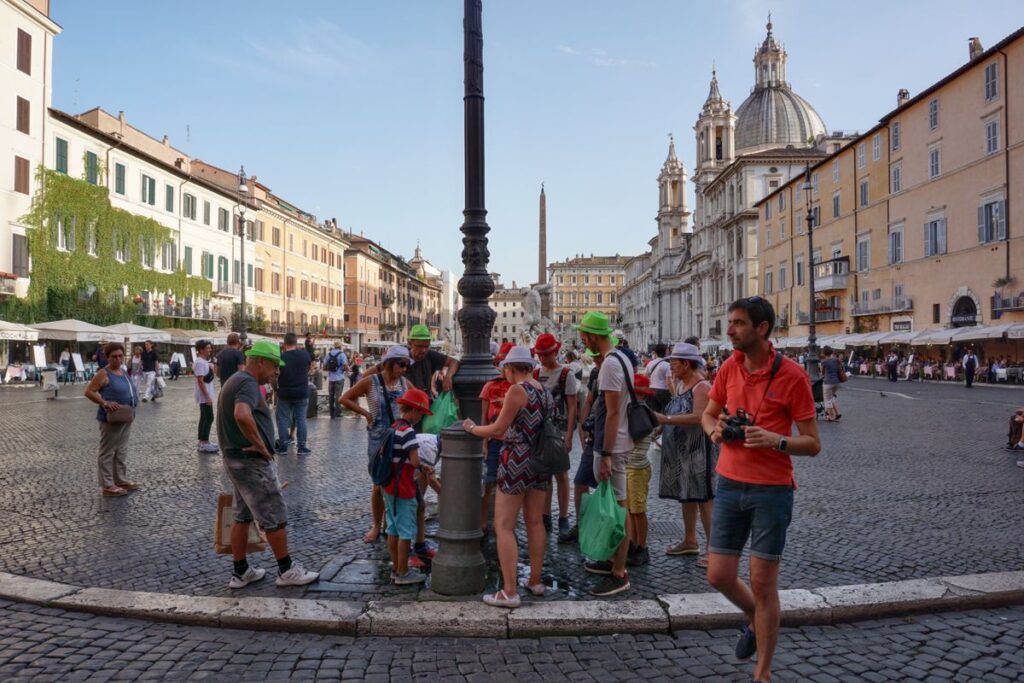
Take your time crossing Piazza Navona and look for the famous fountains and the architecture around them. You do not need an attraction ticket simply to stroll through the open square, though cafés and nearby attractions charge separately. The area is a pleasant stop between other historic-center sights, and it is especially inviting when you leave a little unplanned time to notice the street life. If you sit for a drink, check the posted menu and prices first.
6. See the Spanish Steps from Above and Below
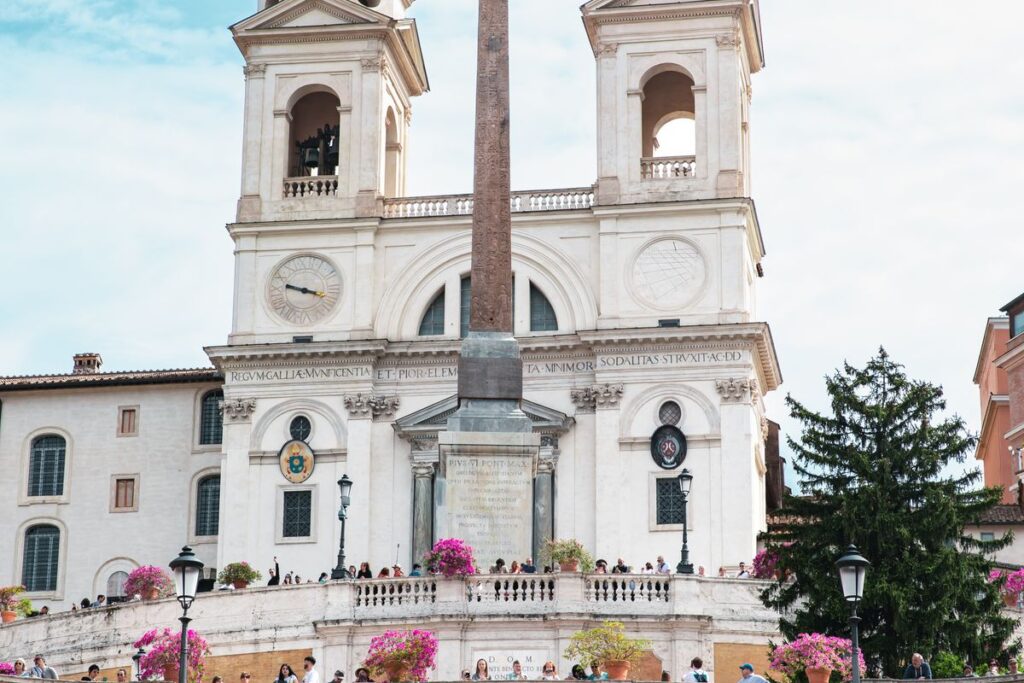
In this image, the wide staircase climbs toward Trinità dei Monti church, framed by the architecture of one of Rome’s most recognizable squares. The Spanish Steps are worth seeing from both the lower Piazza di Spagna and the upper terrace, where the perspective changes dramatically. The staircase can be crowded, and Rome’s regulations prohibit sitting on the historic steps, so treat them as a place to walk through and admire rather than a picnic spot. Wear comfortable footwear, take your time on the climb, and be considerate of other visitors who are using the stairs.
7. Marvel at St. Peter’s Basilica in Vatican City
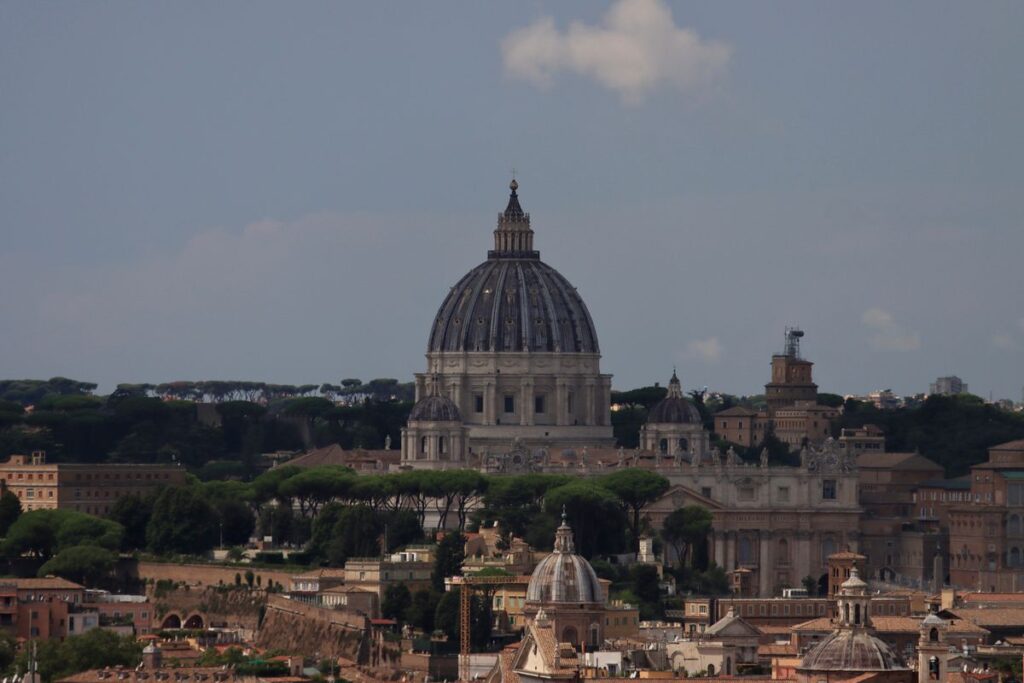
The grand dome dominating this photograph belongs to St. Peter’s Basilica in Vatican City, a separate sovereign state surrounded by Rome. Its scale and richly decorated interior make it an unforgettable architectural visit, whether you are interested in art, history or sacred buildings. Dress modestly for entry, allow time for security screening and check arrangements for religious events. If you also want to see the Vatican Museums and Sistine Chapel, plan that as a separate timed visit: the official Vatican Museums website provides opening schedules and warns visitors to use its authorized ticket portal. Do not assume a basilica visit includes admission to the museums.
Practical Tips Before You Go
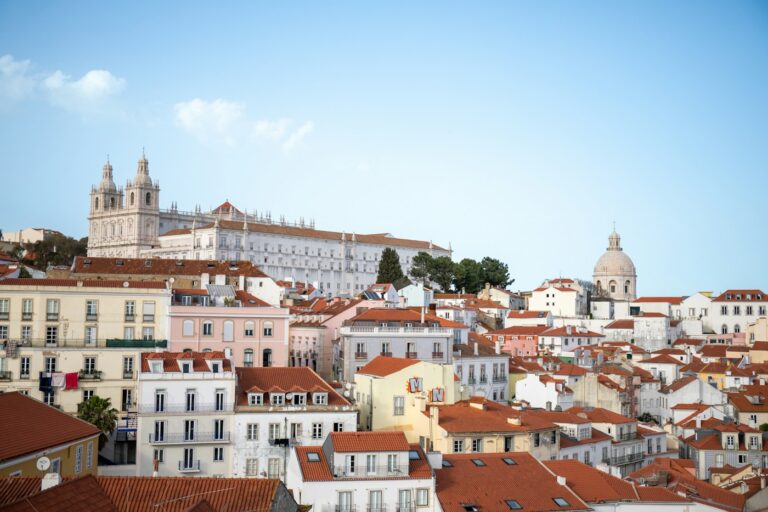
Rome’s historic center is wonderfully rewarding on foot, but its streets, steps and archaeological sites can involve uneven surfaces and long walks. Wear supportive shoes, carry water and check the forecast before setting out. Reserve timed-entry attractions such as the Colosseum in advance, and verify official access rules for the Vatican Museums, Pantheon and Trevi Fountain shortly before your visit. If you have only one day, focus on a manageable route instead of trying to cover both ancient Rome and every Vatican attraction. For inspiration on another European destination, visit our Lisbon travel guide.
Final Thoughts on Rome
Rome rewards travelers who make room for both famous monuments and spontaneous discoveries. Book the sights that require timed entry, but leave enough flexibility to enjoy a quiet square, a beautiful facade or a leisurely meal along the way. Whether you have a short city break or several days, the most memorable parts of Rome are often the moments when you slow down and take in the city around you.
Useful Official Travel Resources
For the latest schedules, accessible routes and visitor guidance, consult Turismo Roma, the official Colosseum Archaeological Park, and the Vatican Museums official website. These sources are more reliable for changing entry rules and ticket availability than an undated travel article. Images in this guide are licensed editorial photographs from Pexels.
You May Also Like
TRAVEL
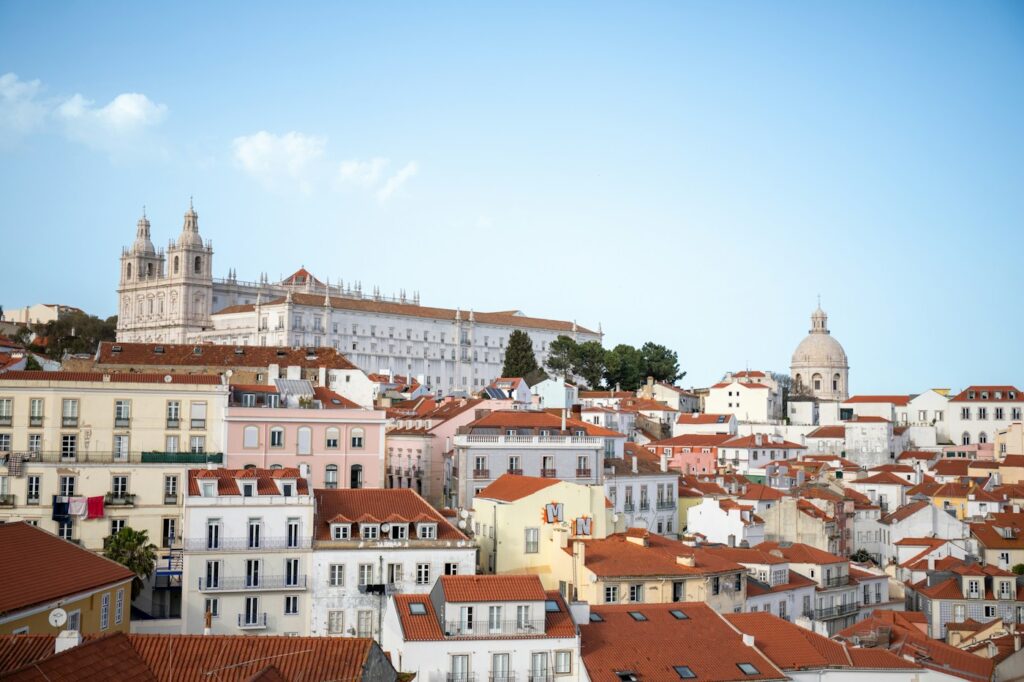
7 Beautiful Things to Do in Lisbon, Portugal
Discover charming streets, unforgettable viewpoints and practical tips for another European city break.