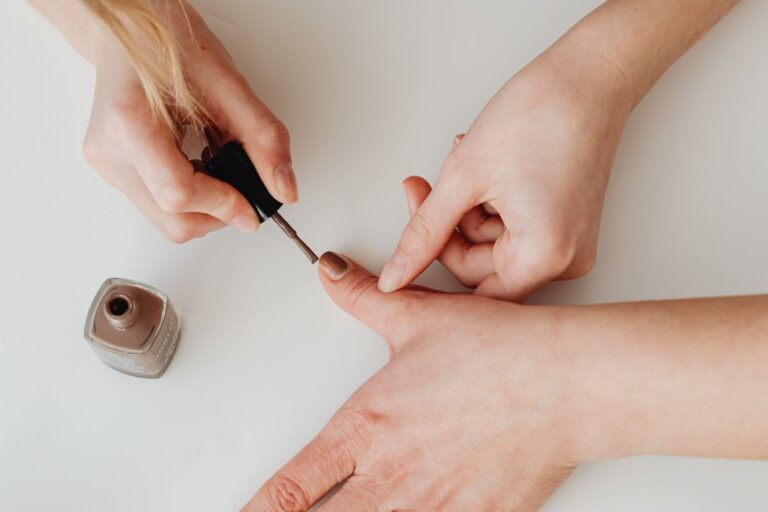
French Bob With Wispy Bangs: 5 Photo Details to Check Before Your Haircut

French Bob With Wispy Bangs: 5 Photo Details to Check Before Your Haircut
The dark, short bob in the photo above has separated bangs and a neat shape around the face. Pinterest’s October 6, 2026 Beauty Trend Report records a 394% rise for searches about “French bob with wispy bangs”; this is a relative search-interest signal, not an estimate of salon bookings or website traffic. If you are thinking about a French bob with wispy bangs, the important choice is not simply “short hair”—it is how light you want the fringe, where the ends should sit, and how your own texture behaves. This practical guide uses five genuine haircut photographs to show which details to borrow, which details not to copy, and what to say during a salon consultation. Not every comparison photo shows wispy bangs; the differences are intentional and clearly explained.
1. See the Difference Between Blunt and Wispy Bangs
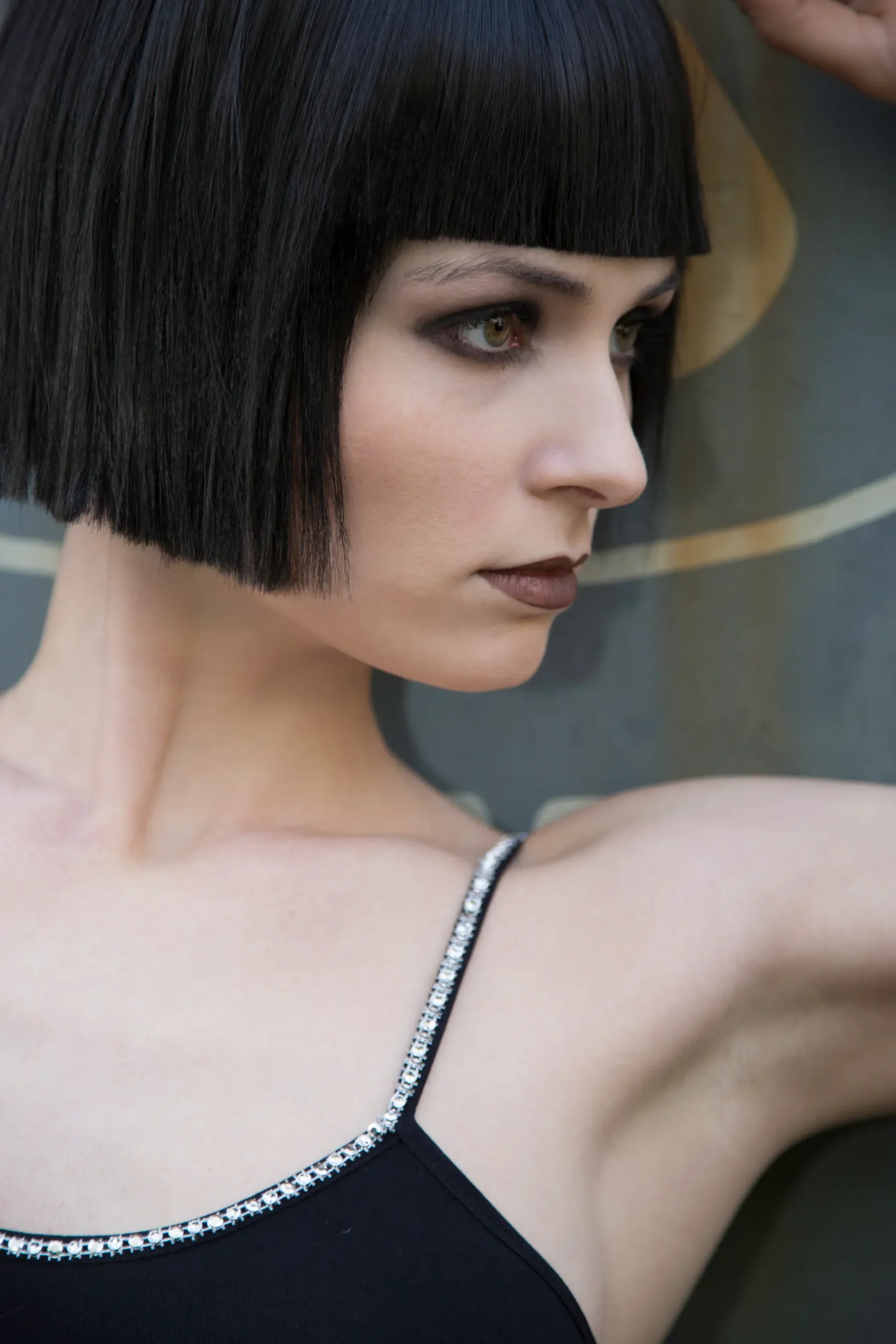
In the first photograph, the woman’s jet-black hair has a sharply defined bob edge and a dense, straight fringe. The bangs form a clear line across her forehead, so this is an example of what full, blunt bangs look like—not a photograph of airy, wispy bangs. That difference is useful when talking to a stylist: a French bob can be paired with either type, but they will frame the face differently. If you want a lighter look, ask for small separated pieces across the forehead instead of one heavy curtain of hair.
A practical salon request: “I like the clean, short bob shape in this picture, but please keep the fringe soft and piecey so some forehead still shows.” Your stylist can help decide where to place the ends based on your natural growth pattern and how the bangs fall when dry.
2. Check Where the Fringe Falls at the Eyebrows
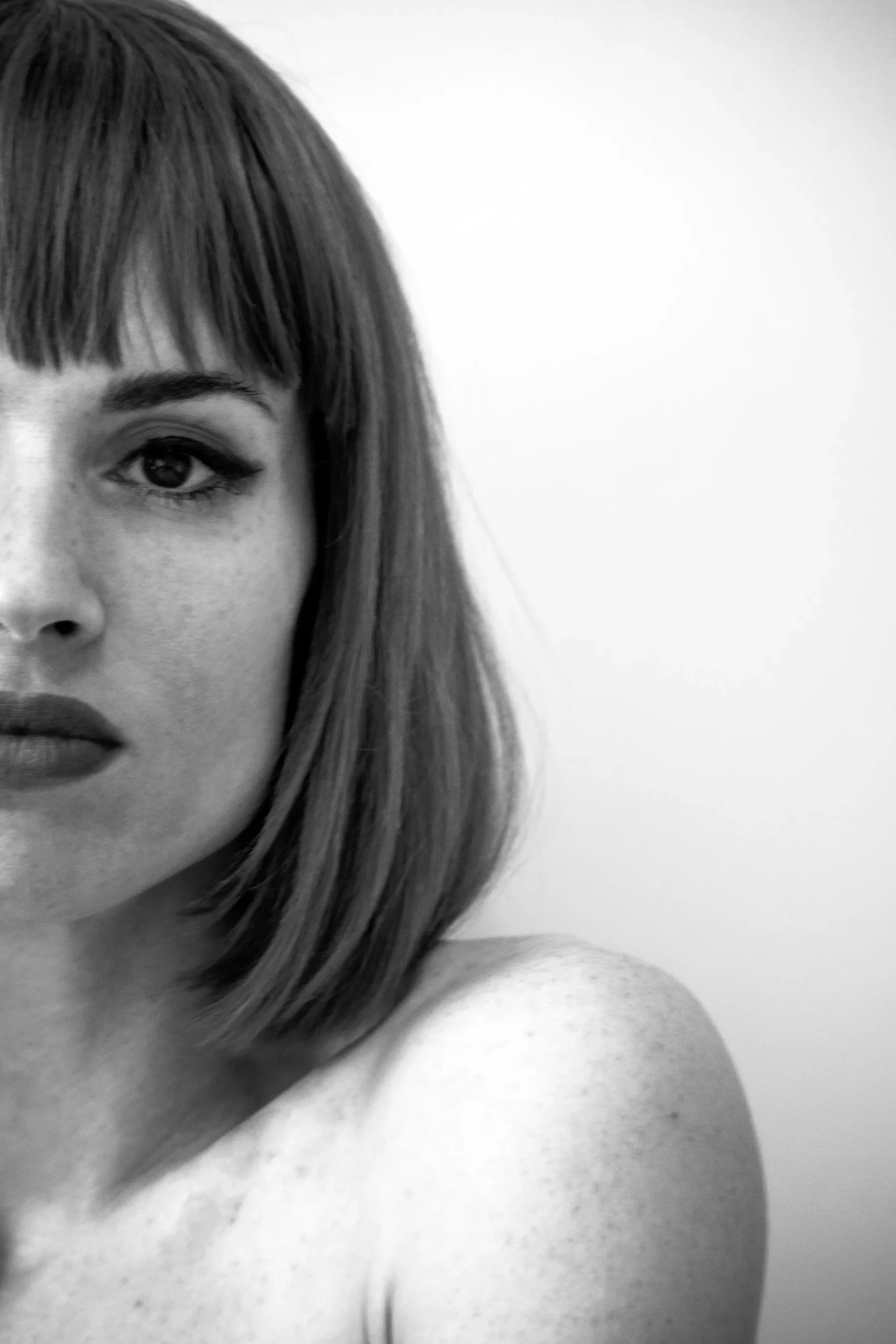
In this black-and-white portrait, straight bangs fall toward the eyebrows and frame the visible eye. The landscape crop does not reveal the complete lower outline of the bob, so this image works best as a fringe-placement reference, not proof of the finished haircut length. Focus on where the fringe ends, how much of the forehead it covers, and whether that placement would feel comfortable near your eyes. For the length at the jaw and nape, compare a separate side-profile photograph.
Before your appointment, ask your stylist to show approximately where the shortest and longest bang pieces would sit when your hair is dry. If your hair springs up as it dries or has a strong cowlick, discuss that before a short fringe is cut. This avoids treating a reference photo as a precise promise of the result.
3. Choose Between Short and Brow-Grazing Bangs

In the third photo, the woman has a short blonde bob, very short straight bangs, and sunglasses resting on the top of her head. Her fringe ends above the eyebrows; it is shorter and more structured than the usual wispy, brow-grazing reference. This makes the image a clear comparison if you are tempted by a bold, shorter front but still want the softness of a French bob.
Ask yourself whether you want bangs you can sweep aside while they grow or a short fringe that will stay visually prominent. Show this picture only if you really like its short-bang placement. Otherwise tell your stylist: “Keep the bob short, but leave my bangs longer and lighter than the ones in this photo.” That single sentence communicates two different choices instead of asking for the whole photo unchanged.
4. Use a Side Profile to Decide the Bob Length
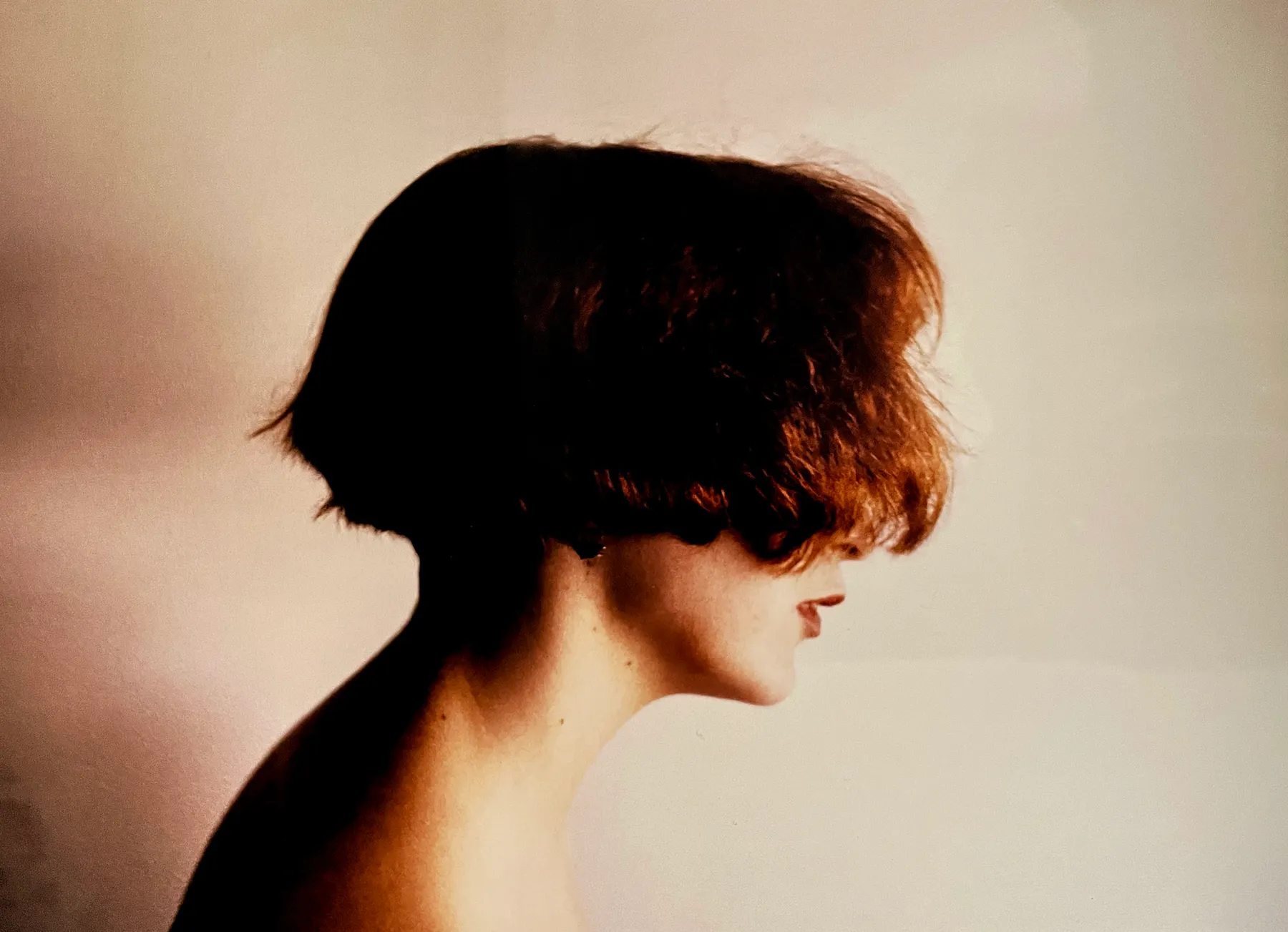
The fourth photograph is a side view of a reddish-brown, textured short bob. Its curved silhouette, fuller front, and visible ends help show how a bob behaves around the cheek, jaw, and nape. The fringe is not clearly visible, so this is a length-and-shape reference only; it should not be presented to your stylist as proof of any particular wispy-bang technique.
From the side, choose where you want the hair to finish when your head is level: around the cheek, at the jaw, or just under the chin. Shorter does not always mean simpler; your natural wave, density, and growth pattern can change how the edge sits. Ask whether a slight amount of internal movement would suit your hair, rather than requesting dramatic layers from a picture that does not clearly show them.
5. Notice How a Rounded Bob Holds Weight
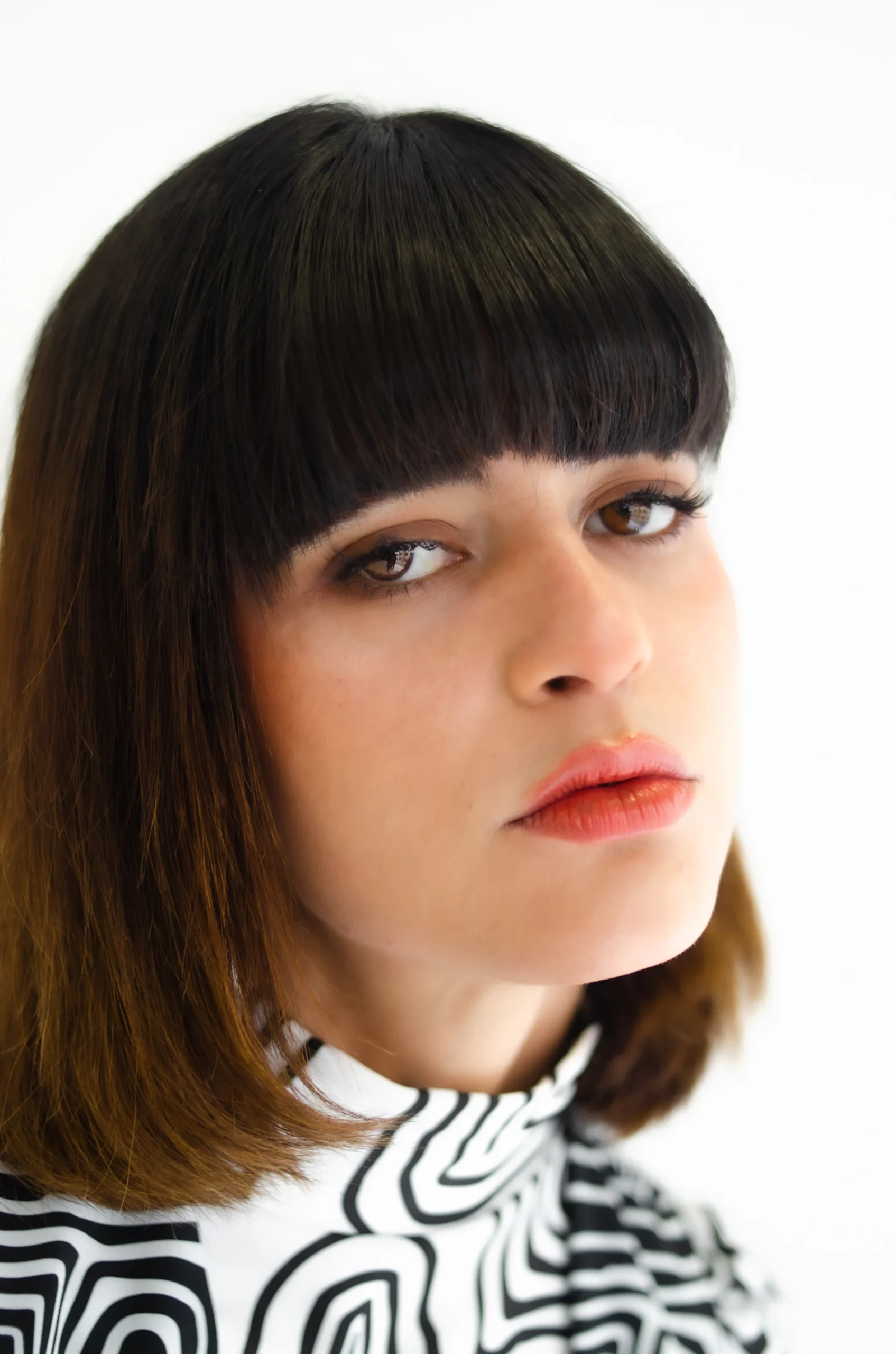
This close-up emphasizes a smooth, rounded dark hairstyle and a thick, straight fringe across the forehead. The solid line of bangs is the clearest detail: compared with a wispy fringe, it frames the eyes more heavily. The cropped landscape view does not clearly establish where the lower ends finish, so use this photo to discuss bang density and rounded volume near the crown, not an exact jaw or neck length.
For a French bob with wispy bangs, describe those choices separately: “I like the rounded shape in this photo, but I want a lighter, separated fringe.” If you also want a jaw-skimming length, use the side-profile photo in section four to show your stylist where the ends should fall. Hairstylists interviewed by ELLE emphasize adapting this cut to hair texture rather than forcing the same silhouette on everyone.
Practical Styling and Salon Tips
Start by saving one photo of a fringe you genuinely want and one side-view photo of a bob length you like. They need not show the same person. Talk through your hair’s density, natural wave or curl, cowlicks, usual part, and the amount of styling you are comfortable doing. A stylist can show how the proposed cut may look after air-drying and how the fringe will grow between appointments.
- Describe the fringe: “Soft, separated bangs with some forehead visible; not a dense, blunt line.” Say whether you want the longest pieces at the brow, lashes, or farther to the sides.
- Describe the length: “Around the jaw, with a gentle shape—not shorter than this point.” Ask the stylist to confirm the length before cutting.
- Describe the finish: “Natural movement and a little texture, without needing daily hot tools.” If your hair is curly or wavy, ask how shrinkage will affect the result.
- Plan upkeep: A short bob may need salon touch-ups to keep its shape; one stylist cited by Harper’s Bazaar suggests roughly six to eight weeks, but your growth rate and preferred outline may change that.
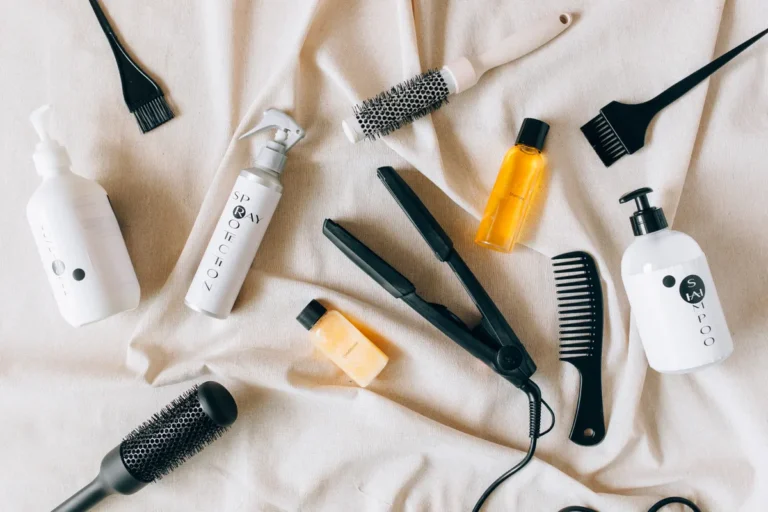
For everyday care, start with a gentle routine rather than using extra heat to force a particular shape. The American Academy of Dermatology advises limiting high-heat styling and choosing hair products for your hair type. Our beginner-friendly hair care guide covers washing, conditioning, detangling, and heat protection in more detail. If you use a blow-dryer or flat iron, follow its safety directions and keep the heat as low as practical.
Final Thoughts
A good French bob with wispy bangs starts with two independent decisions: the bob length and the lightness of the fringe. Use the actual details in these photographs as references—not promises—and be clear when a picture shows a thicker fringe or a side view that does not reveal the bangs. Your salon conversation should account for your own texture, your comfort around the eyes, and the amount of maintenance you want. The most helpful reference is the one you can describe precisely.
Useful Resources
The trend context comes from the Pinterest Beauty Trend Report (October 2026), which highlights French bobs with wispy bangs and other textured bob searches. For professional styling discussion, see Harper’s Bazaar’s hairstylist interviews and ELLE’s haircut advice. For minimizing heat-related hair damage, see the American Academy of Dermatology’s hair-styling guidance. These are general educational references, not individual hair-cutting or medical advice.
Photo rights and credits: hero — Hannah Bickmore; section photographs — Antonio Conte, Lany-Jade Mondou, Andrea Paci Cresti, Termopi (all under the Pexels License); Nicolas Ladino Silva (Unsplash License). Original photos are reproduced for editorial illustration; no photographer or subject endorsement is claimed.
You May Also Like
Beauty
7 Simple Hair Care Tips for Healthy-Looking Hair
Build a practical routine around your natural hair type, with helpful tips on conditioning, detangling, and heat protection.