How to Start a Daily Journaling Habit in 7 Simple Steps
How to Start a Daily Journaling Habit in 7 Simple Steps
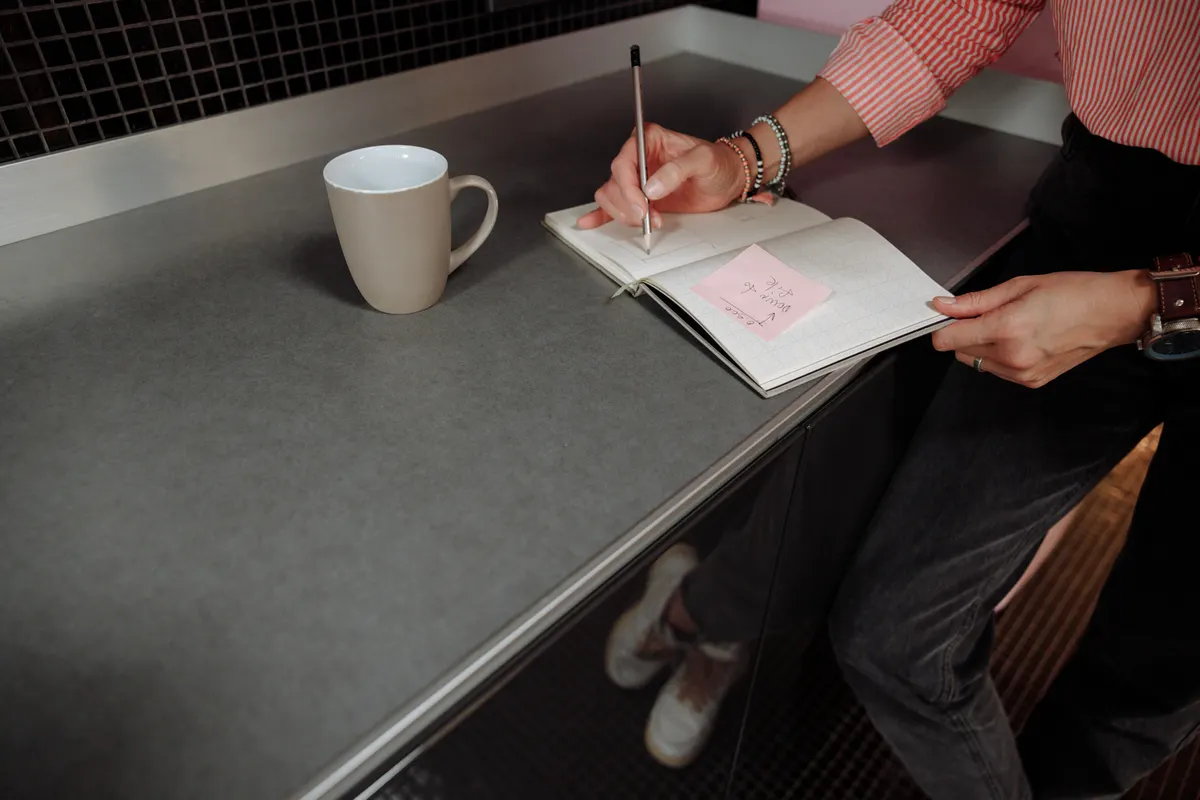
The opening photograph shows a person writing in a notebook beside a coffee cup—a simple moment that captures what daily journaling can look like. If you are wondering how to start a daily journaling habit, you do not need a beautiful planner, an hour of free time, or an inspiring story to tell. These seven steps help you choose an easy format, write a first entry, find prompts that work for you, and build a flexible routine without pressuring yourself to write perfectly.
1. Choose a Notebook You Will Actually Use
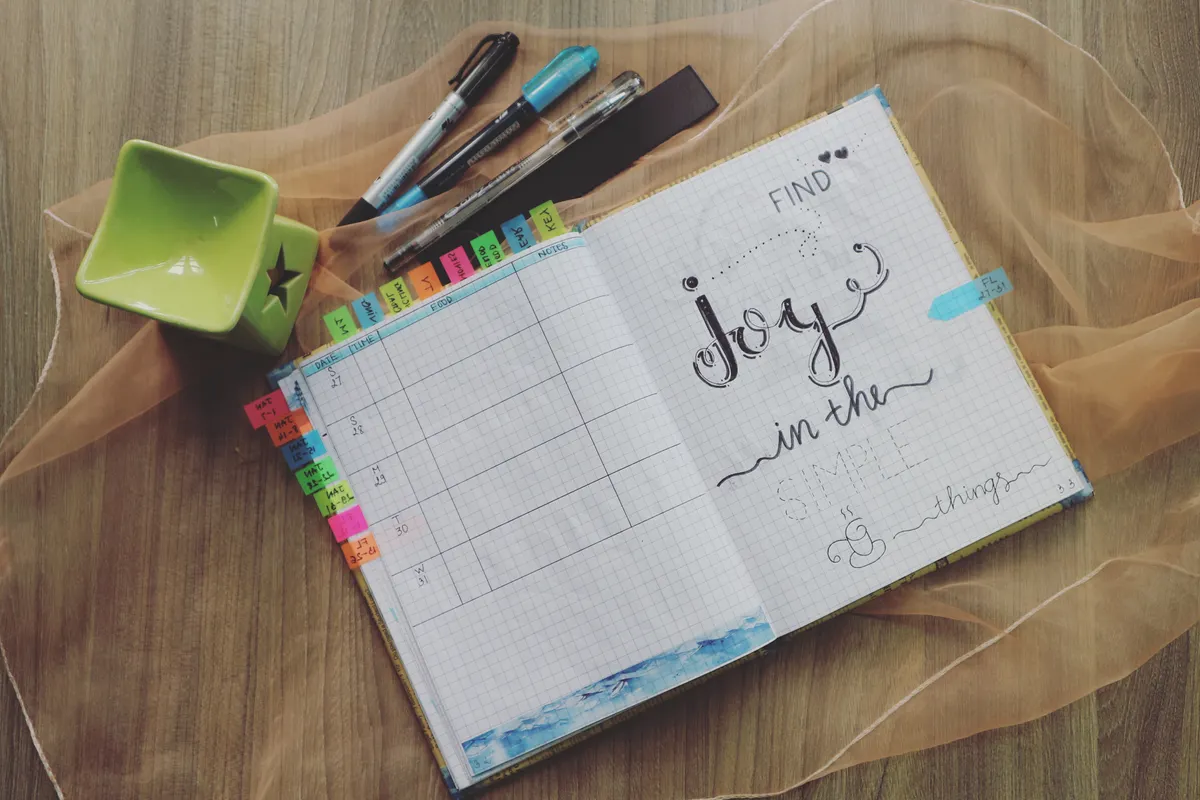
The open bullet journal and pens in this photograph offer one possible starting point, but your journal can be much simpler. Pick a notebook you already own, a few sheets in a folder, or a private digital document. Paper is useful if you enjoy writing by hand; a password-protected note can be more convenient if you travel. Focus on ease rather than buying special stationery. Choose a pen that writes smoothly, keep the journal somewhere accessible, and decide whether your pages are meant for reflection, practical planning, or a mixture of both. You do not need elaborate spreads, perfect handwriting, or matching supplies. If you prefer privacy, store your journal in a secure place and avoid recording information you would not feel comfortable keeping. The best format is one you can return to without friction.
2. Start With a Two-Minute Writing Goal
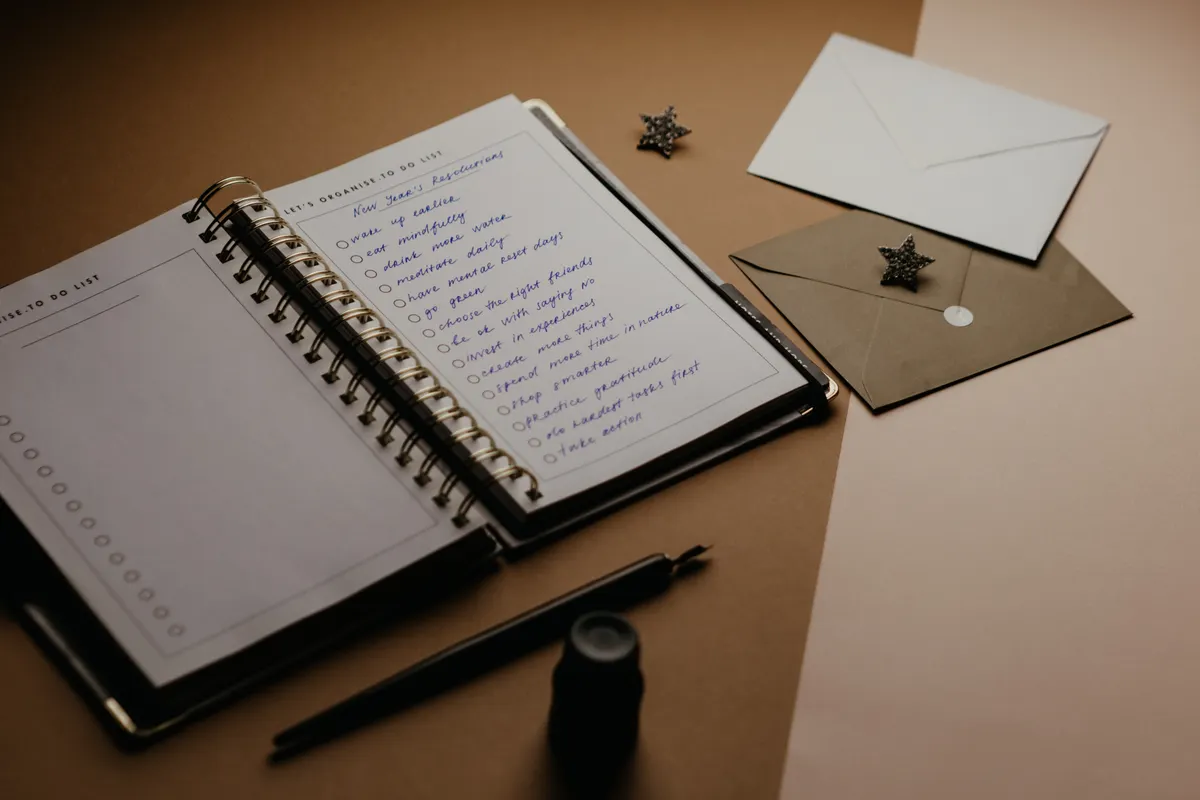
The neat planner and short to-do list in this image show how a little structure can make starting less intimidating. Rather than promising yourself three pages every morning, begin with two minutes or three sentences. Write today’s date and complete a small prompt: “Right now, I am thinking about…,” “One thing that matters today is…,” or “A small win from yesterday was….” Set a modest target on busy days and stop whenever you have said enough. The purpose is to make it easy to begin, not to produce a polished essay. If your thoughts are scattered, write a list of words instead of full sentences. A short entry counts. As writing begins to feel natural, lengthen the session only if you want to; there is no universal number of minutes needed to make it worthwhile.
3. Write One Honest Entry Without Editing

The person writing by hand here illustrates the central part of journaling: getting a thought onto the page. Start with something specific from your day, such as a conversation, a decision, or a moment you noticed. Then describe what happened, how you felt, and what you might do next. There is no need to correct spelling or make your wording sound impressive. Try writing “I felt frustrated when…” and follow it with what made the situation difficult. Or record a simple observation: “The walk after lunch helped me clear my head.” Avoid pressuring yourself to turn every experience into a positive lesson. If a subject feels overwhelming, you can skip it, switch to a lighter prompt, or stop. A journal is a tool you control, not an obligation to disclose everything.
4. Try a Specific Gratitude Prompt

The gratitude journal beside a coffee cup gives this prompt a clear visual home. Instead of repeating a broad statement such as “I am grateful for my life,” choose one concrete detail. Perhaps a friend checked in, your morning coffee tasted especially good, or you finally finished a difficult chore. Write what happened and why it mattered to you. For example: “My neighbor helped carry a package upstairs, and I felt supported.” You can add one line about something you would like to offer someone else. The CDC’s guidance on managing stress includes journaling and practicing gratitude among everyday coping approaches. Gratitude writing is optional, though: it should not require you to ignore sadness, anger, or genuine problems. If it does not suit your mood, choose another prompt.
5. Pair Writing With a Familiar Daily Moment

In this photograph, someone writes beside a reusable coffee cup. A familiar activity like a morning drink can serve as a gentle reminder to open your journal. You might write after brushing your teeth, while finishing breakfast, during a lunch break, or shortly before you turn off the lights. Pick a moment that happens on most days and place your notebook where you will notice it. If mornings are rushed, an evening check-in may fit better. Keep your cue flexible when traveling or working shifts: the action matters more than the exact clock time. If you miss a day, simply write on the next one. Avoid turning one missed entry into a reason to abandon the routine. A small, repeatable action is easier to maintain than an elaborate setup that only works on an ideal day.
6. Review Your Notes Once a Week

The weekly planner and notebook arranged on this desk make a useful reminder that journaling can help you notice patterns over time. Once a week, skim a few recent entries and look for recurring situations, energy levels, enjoyable activities, or practical worries. Ask: What kept coming up? What went better than expected? Is there one small thing I want to change? Write a two- or three-sentence recap if it feels useful. You do not have to reread sensitive pages or analyze every emotion. For a more practical journal, make a short list of unfinished tasks and decide which genuinely need attention. Your notes are observations, not a grade or a measure of personal success. If a difficult issue is repeatedly interfering with daily life, consider discussing it with a trusted professional rather than expecting journaling alone to resolve it.
7. Keep the Habit Flexible and Personal

The person writing beside an open book and a cup of coffee illustrates a calm setting, but your writing space does not need to look this picturesque. Some people prefer a kitchen table, a quiet commute with digital notes, or a few sentences before bed. Try changing the length, prompt, or time of day when your routine stops fitting your life. A journal can include quick sketches, questions, bullet points, or letters you never send. You may choose to write only on weekdays or several times a week rather than daily. To keep the habit sustainable, decide what “good enough” looks like on a tired day—perhaps one line. For ideas about finding calm moments without your phone, pair this practice with ViviaNest’s screen-free weekend activities. Let the practice support your life rather than become another item to perfect.
Practical Tips for a Journaling Routine
Keep one short prompt written inside the front cover so you are never faced with a completely blank page. Date your entries, but skip elaborate tracking if it feels like extra work. Try prompts such as “What took most of my attention today?”, “What helped?”, and “What is one manageable next step?” When you have only a minute, use three bullet points. If you share a home or device, think about privacy before choosing where to store personal writing. Journaling may support reflection, but it is not a substitute for professional mental health care when you need it.
Final Thoughts
Daily journaling works best when it fits your real life. Choose a notebook or note-taking app you enjoy, begin with one honest sentence, and attach the practice to a moment you already have. Some days will produce a full page; others will hold a few words. Both can be useful.
Useful Resources
For guidance on reflective writing and emotional well-being, see the CDC’s emotional well-being recommendations and its stress-management guidance. All eight article photographs are credited to their respective photographers in the WordPress media library and were obtained from Pexels under the Pexels License; they have been cropped to 3:2, resized, and converted to WebP. This article was prepared with AI assistance and editorial review.
You May Also Like

Lifestyle
7 Cozy Evening Routine Ideas for a Relaxing Night at Home
Create a gentle end-of-day rhythm with simple, comfortable ideas you can adapt to your own evenings.