How to Build a Capsule Wardrobe in 7 Practical Steps
How to Build a Capsule Wardrobe in 7 Practical Steps
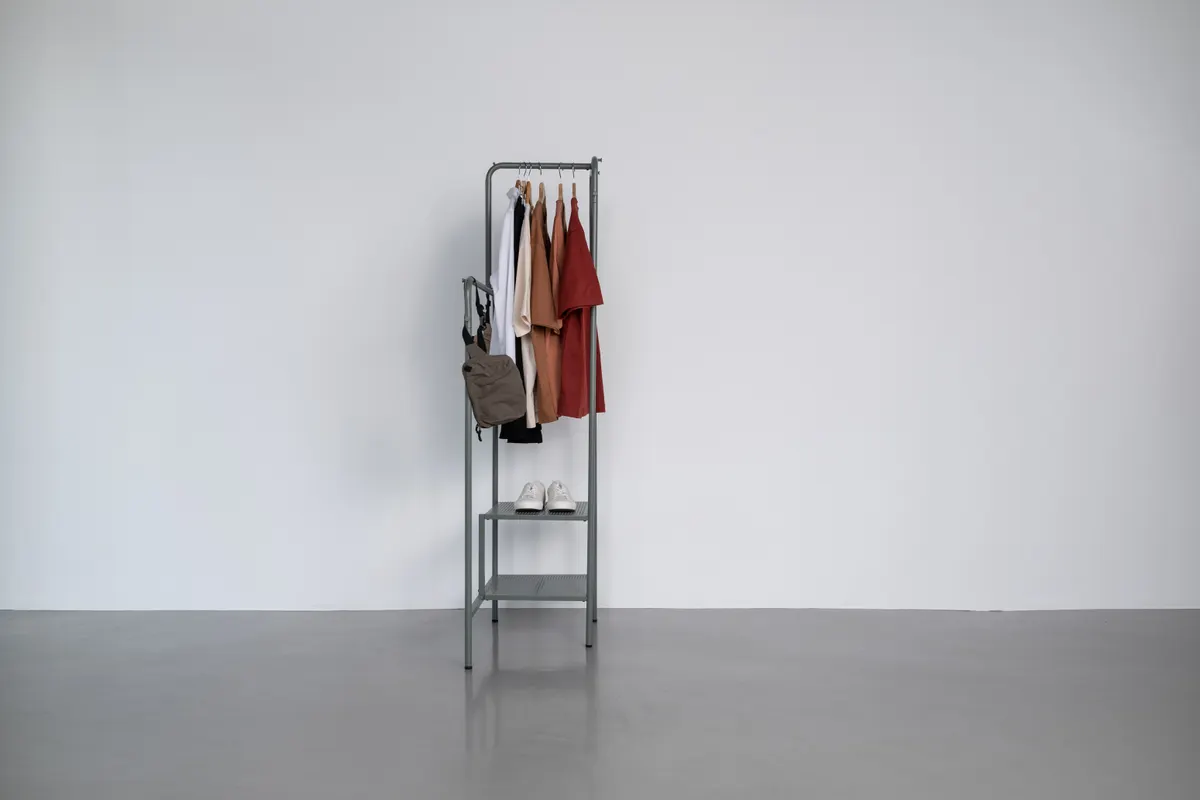
The warm neutral clothing rack in the opening photograph shows the appeal of a capsule wardrobe: a clear selection of garments that feel easy to coordinate. But building a capsule wardrobe does not mean every closet must look beige or contain an exact number of pieces. This beginner-friendly guide shows how to review what you own, choose colors, test outfits, and care for a useful collection that suits your actual routine. Start with your existing clothes and buy only when you discover a genuine gap.
1. Audit the Clothes You Already Wear

The two people looking through a wardrobe in this photo illustrate the most useful first step: start with what you own, not a shopping list. Take out clothing from one season and sort it into pieces you wear frequently, pieces that need repair or tailoring, and pieces you rarely reach for. Work in small groups—tops, bottoms, dresses, outerwear—so you can see your real patterns without emptying the entire closet at once. Try on anything whose fit you are unsure about. Ask whether it feels comfortable, works for your typical activities, and coordinates with at least two other items. Keep special-occasion clothing separate from your everyday capsule rather than forcing it into an arbitrary item count. A capsule wardrobe is a practical selection, not a rule that you must discard the rest of your belongings. Set aside undecided pieces for later review before donating anything.
2. Choose a Flexible Color Palette

The light and dark neutral garments hanging together show how repeating colors can make outfit planning easier. Choose two or three foundation colors from clothes you already wear—for example, navy, cream, and charcoal—then add one or two accent colors you genuinely enjoy. Black, beige, and white are options, not requirements. If you love saturated blue or forest green, they can become part of your core palette too. Hold potential combinations beside a window in natural daylight and check whether you like the result. Think about shoes, coats, and laundry habits while choosing colors: pale fabrics may require more careful stain treatment, and dark fabrics can show lint. A coordinated palette helps you make combinations; it should never prevent you from wearing your favorite print or sentimental piece.
3. Select Comfortable, Versatile Basics
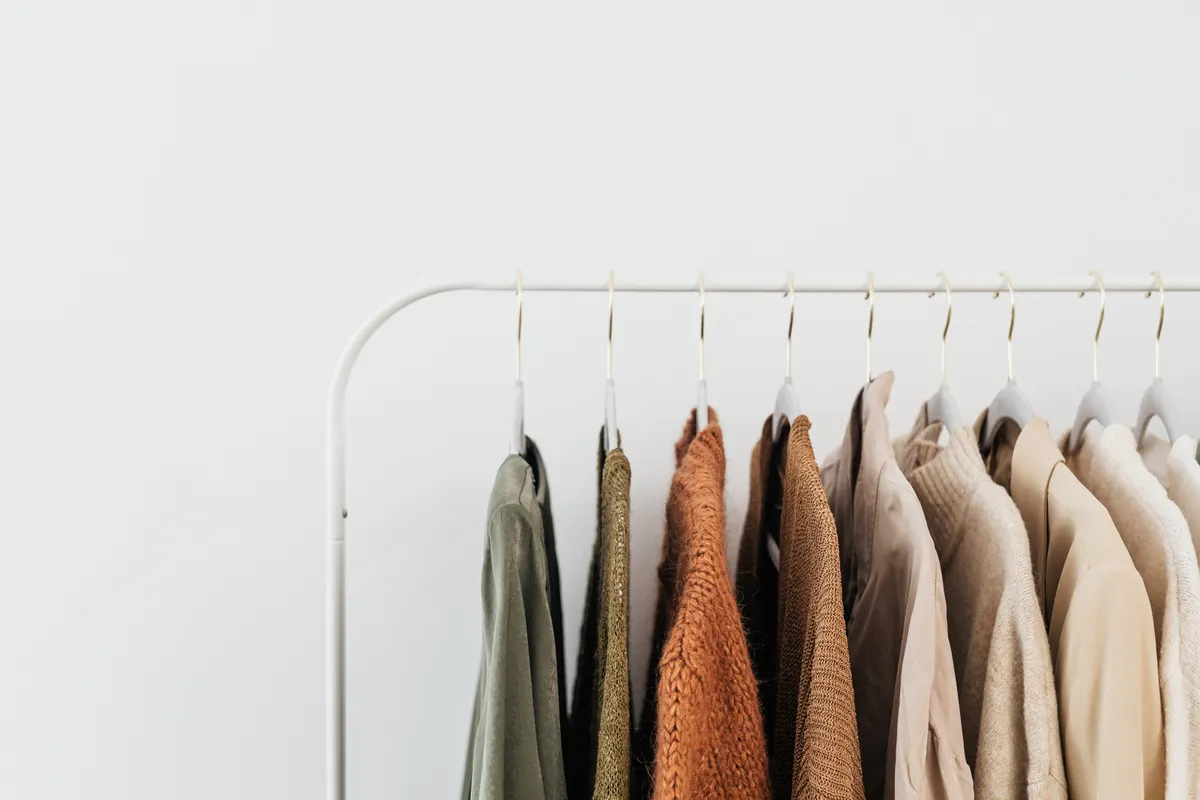
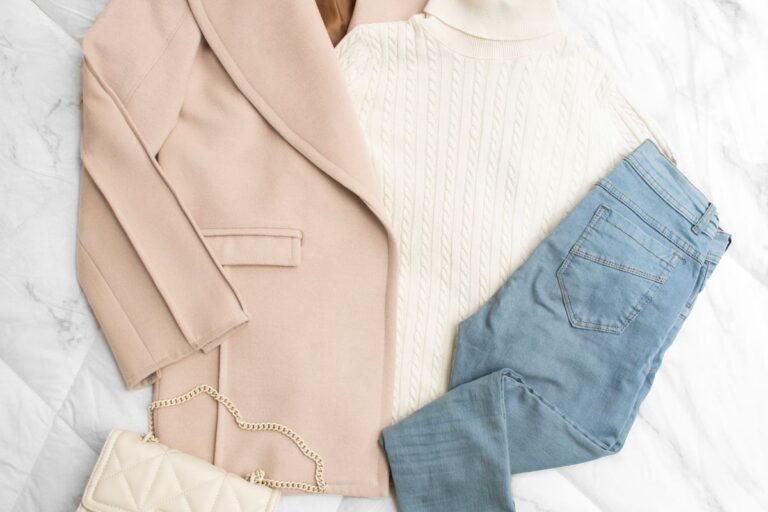
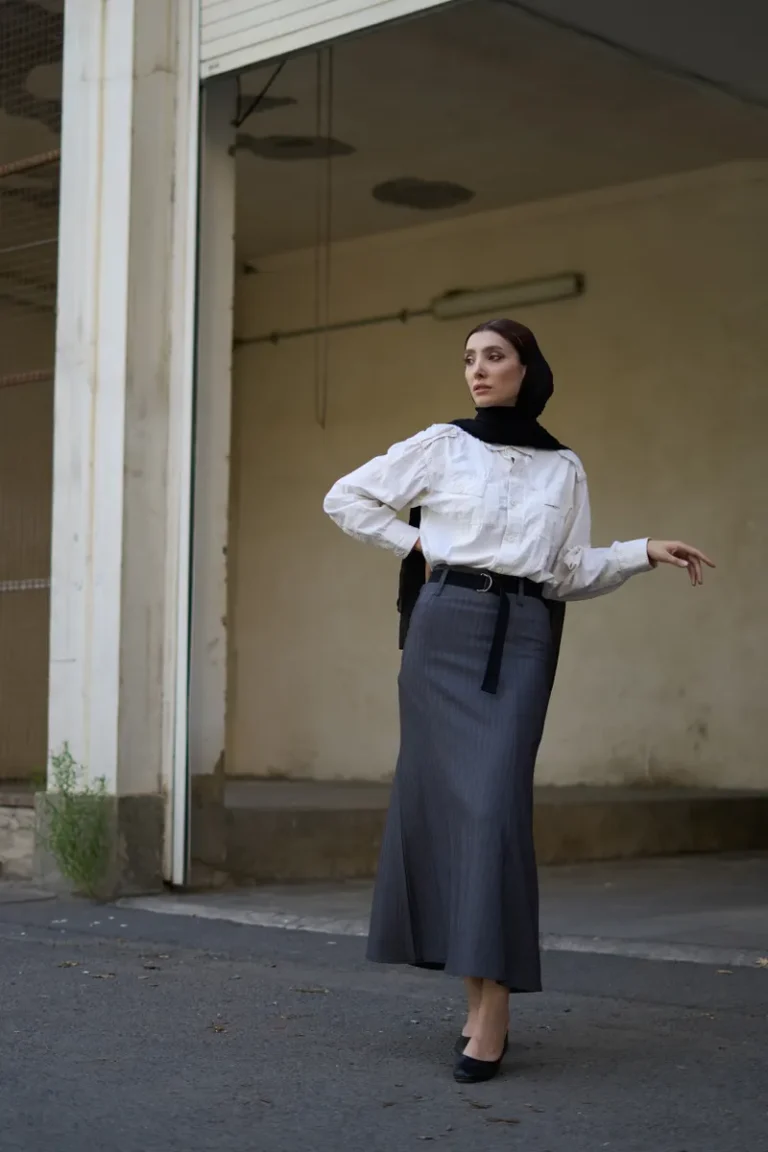
The knitwear and light jackets on this simple rack are good examples of garments that can do more than one job. Start with the silhouettes you already rely on: perhaps a comfortable tee or blouse, a pair of well-fitting trousers, jeans you like, a skirt, a cardigan, and an outer layer suited to your climate. Your ideal capsule may include long sleeves, full-length skirts, or relaxed fits if those reflect your preferences. Use a simple test for each candidate: can you sit, walk, and move comfortably, and can you wear it for more than one familiar occasion? Pay attention to opacity, fabric feel, closures, and care labels. You do not need a universal checklist of 30 or 40 items. A smaller collection that fits a work-from-home routine may be very different from one for commuting or caring for children. For styling examples, explore ViviaNest’s everyday outfits using wardrobe basics.
4. Plan Layers and Shoes Around Your Routine
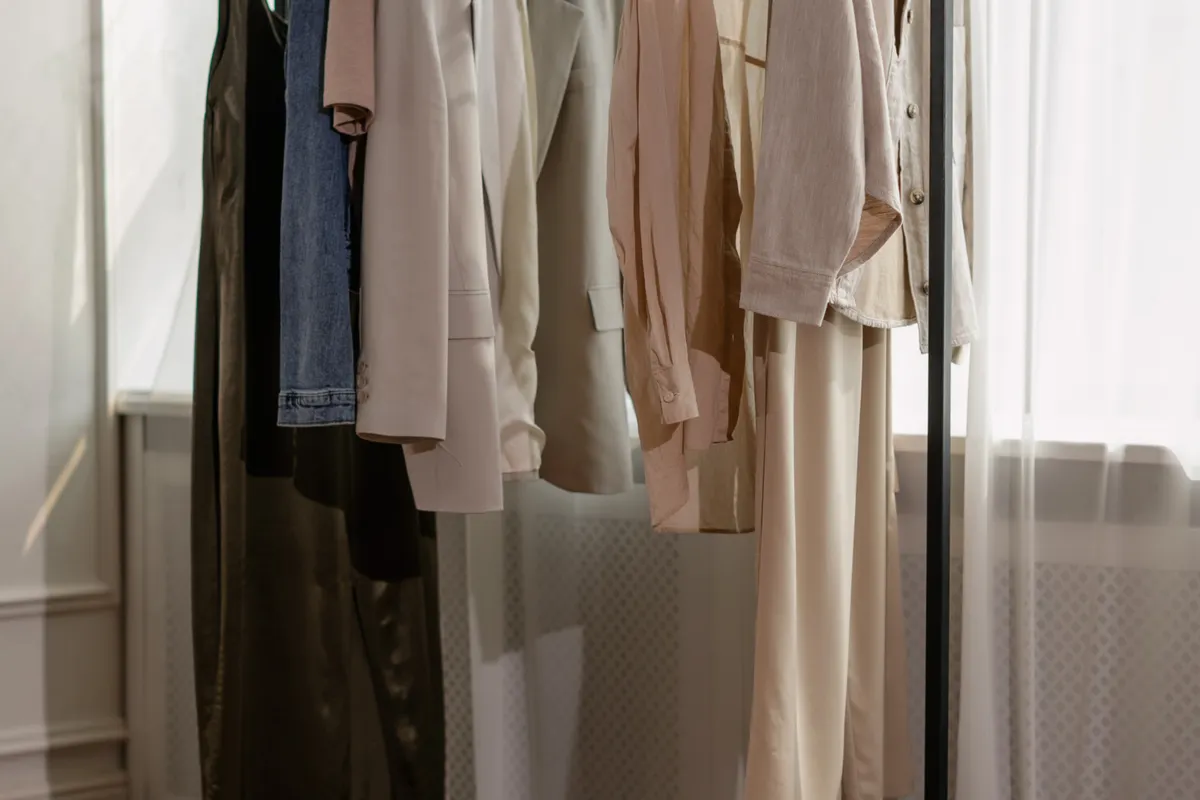
The rack of coordinated outfits and white sneakers highlights two parts of a capsule that are easy to overlook: layers and footwear. Map your week before deciding what belongs in the selection. Someone who walks between transit stops may need comfortable weather-ready shoes; someone working in a formal office may need a tailored layer instead. Choose an outer layer that fits over your usual tops without pulling at the shoulders or sleeves. Check whether you have a warmer option for cool mornings and a lightweight option for indoor temperature changes. The white sneakers in the photo are one versatile possibility, but wear the shoes that support your daily activities and dress expectations. A practical capsule should work in your actual weather, not only in a perfectly styled photograph. For more coverage-focused combinations, see modest work outfit ideas.
5. Test Real Outfit Combinations

The woman holding a blouse beside a rack illustrates a simple way to test a capsule before spending money: build complete outfits from what is already there. Put together five looks that match the situations you encounter most often, such as errands, a casual lunch, a workday, a social gathering, and a cooler evening. An outfit formula might be straight-leg trousers plus a shirt and cardigan, or a maxi skirt plus a knit top and jacket. Try each combination on rather than relying only on how it looks on a hanger. Check length, coverage, comfort, and whether the layers bunch or slip. Photograph combinations for your own reference if that makes busy mornings easier. Notice what is missing only after trying the clothes together: perhaps one comfortable base layer would help more than several new statement pieces. Accessories can add variety without crowding the closet; see elegant accessories for everyday outfits.
6. Check Fit, Fabric, and Construction

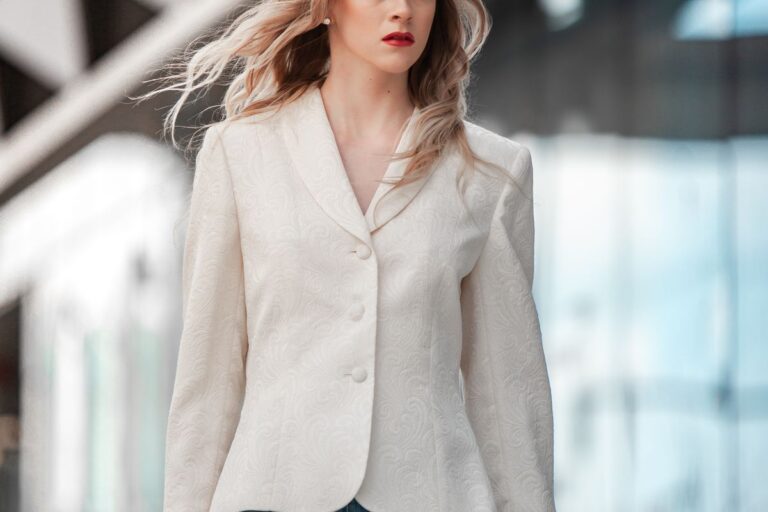
In this photograph, a woman is trying on a coat beside a clothing rack—a reminder that an item earns its place through real-world comfort, not just its color. Lift your arms, sit down, and walk a few steps while trying on jackets, trousers, or dresses. Look at shoulder seams, hems, button tension, and whether fabric feels scratchy or overly restrictive. Examine stitching and closures before buying a replacement. Read the fiber and care label so you know whether the garment can be maintained within your routine. Price alone does not guarantee durability, and natural fibers are not automatically the right option for everyone. Before replacing a piece that nearly works, consider a simple hem, button repair, or alteration. For secondhand finds, check seams and fabric wear carefully. Focus on keeping useful items in rotation rather than chasing the appearance of a brand-new wardrobe.
7. Maintain Your Capsule and Refresh Gradually
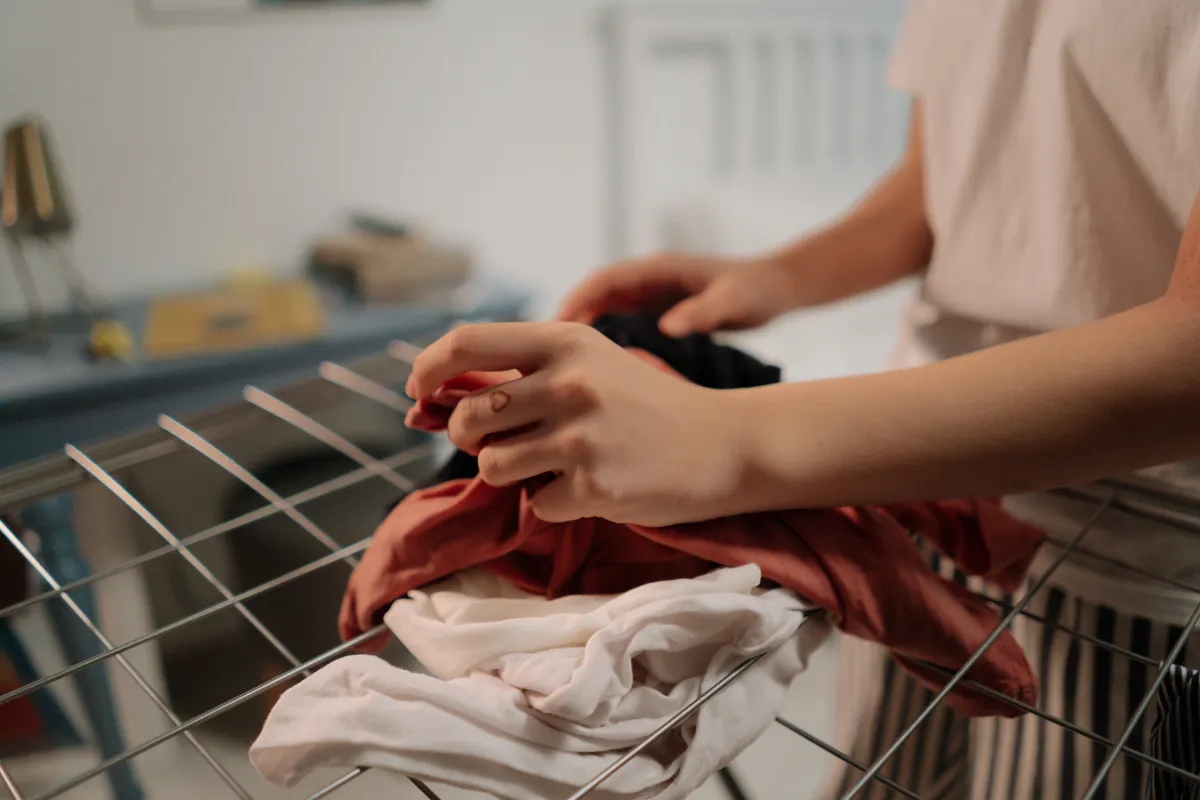
The hands folding garments in this home setting show the quiet maintenance that keeps a smaller wardrobe usable. Follow each care label, separate laundry where recommended, address stains promptly using fabric-safe methods, and dry items appropriately. Fold knits that might stretch on hangers, while hanging garments that benefit from retaining their shape. Keep a simple note of repeated wear, repairs, or genuine gaps over several weeks. At a seasonal change, move heavy or lightweight items into accessible storage and reassess whether your current pieces still suit your life. Avoid setting a rigid replacement schedule: a capsule should evolve when your needs do. If an item no longer works, think about repair, resale, or donation according to its actual condition. The goal is a wardrobe that is easier to wear and maintain—not one that requires continuous shopping to stay perfectly coordinated.
Practical Tips for Keeping a Capsule Wardrobe Useful
Keep a short list of outfits that work instead of trying to memorize every possible combination. Store garments where they are easy to see, and leave space for pieces that are in the laundry. If your week includes very different settings, consider a small everyday capsule plus a separate group for sportswear or special occasions. Take measurements before online shopping and check return policies, but do not feel pressured to purchase a matching set all at once. Sustainable choices depend on context; often the most sensible first step is wearing, repairing, and caring for what you already own. A capsule should reduce friction, not make dressing feel like another demanding project.
Final Thoughts on Building a Capsule Wardrobe
A satisfying capsule wardrobe begins with your day-to-day needs, not someone else’s shopping checklist. Choose clothes that fit, combine comfortably, and suit your weather and lifestyle. Start with one season, experiment with a few reliable outfit formulas, and make adjustments slowly. When your clothes are easier to wear and care for, the capsule is doing its job—even if it looks completely different from the neutral rack in the opening photo.
Useful Resources
For another perspective on clothing use and circularity, explore the Ellen MacArthur Foundation’s fashion overview. For care decisions, consult the garment’s own label and the FTC’s explanation of care labeling. All eight photographs in this article are credited in the WordPress media descriptions and were sourced from individual Pexels listings under the Pexels License, which permits blog use and editing without mandatory attribution. No stock photo is presented as a picture of the reader’s own wardrobe.
You May Also Like
FASHION
7 Chic Everyday Outfit Ideas Using Wardrobe Basics
See practical outfit combinations built around comfortable, familiar clothing pieces you can style repeatedly.