7 Simple Hair Care Tips for Healthy-Looking Hair
7 Simple Hair Care Tips for Healthy-Looking Hair
These simple hair care tips for healthy-looking hair focus on practical habits: choosing the right products, washing your scalp gently, conditioning, detangling with care and reducing unnecessary heat. Different hair textures need different approaches, so use the seven ideas as a flexible starting point rather than a strict checklist. Small changes in everyday handling can help your hair feel easier to manage without promising overnight results.
Start with how you wash, dry and detangle your hair before adding new products.
1. Choose Hair Products for Your Hair Type
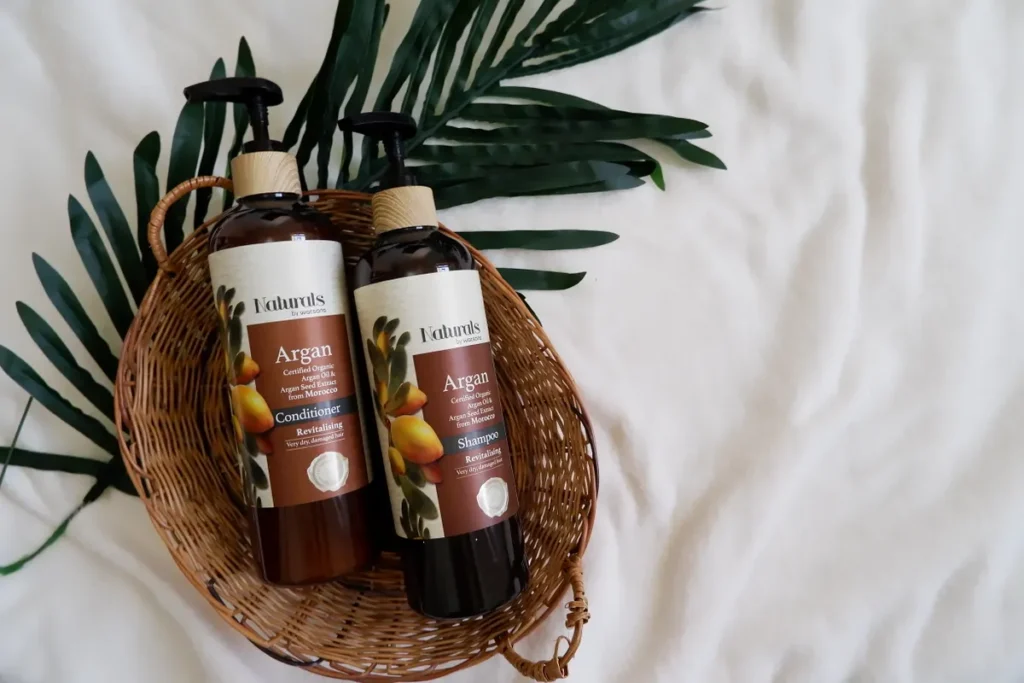
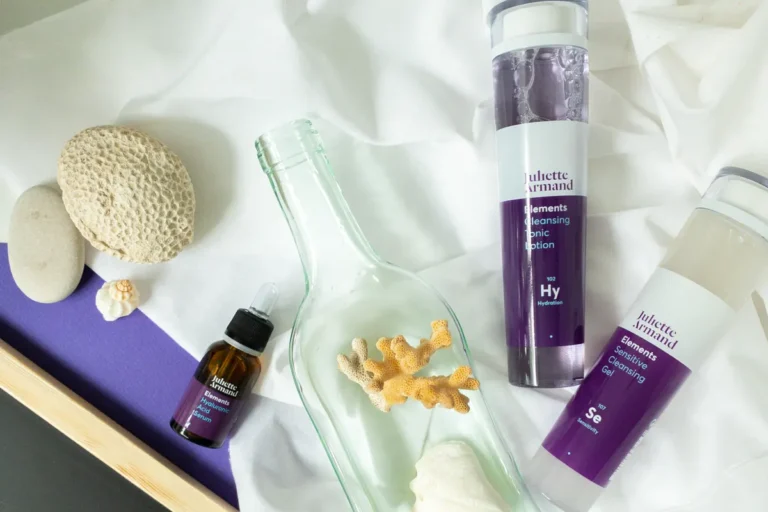
The shampoo and conditioner bottles tucked into the basket in this photograph make a good starting point for a realistic hair routine. Instead of choosing products because their packaging looks beautiful, consider whether your hair is fine, thick, straight, curly, color-treated or prone to dryness, and notice how your scalp behaves between washes. The American Academy of Dermatology recommends selecting products designed for your hair type. Start with a straightforward shampoo and conditioner that feel comfortable to use; you do not need several specialty bottles at once. If a formula causes itching or persistent irritation, stop using it and seek appropriate professional advice.
2. Shampoo Your Scalp Rather Than Scrubbing the Lengths
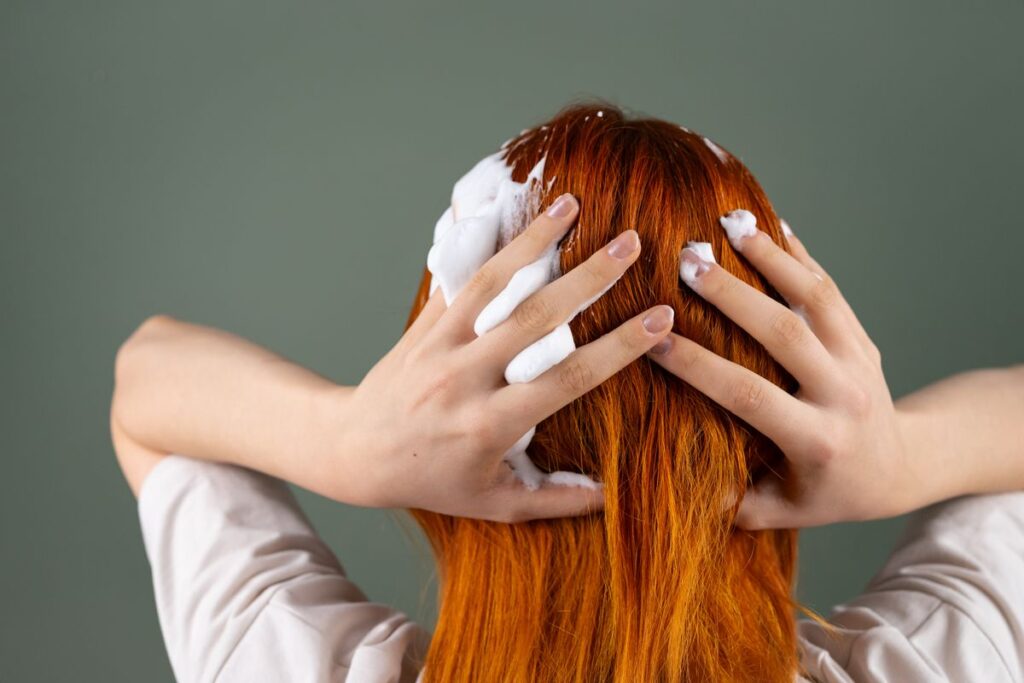
Wet your hair thoroughly, then gently massage shampoo into your scalp with your fingertips. Rinse and let the lather flow through the rest of the hair instead of aggressively rubbing the lengths together. How often you wash depends on your scalp, hair texture, activity and product buildup; an oily scalp may need more frequent cleansing, while dry or tightly curled hair may need a different schedule. The AAD’s healthy-hair guidance recommends washing according to how oily or dirty your hair becomes rather than following one rule for everyone.
3. Use Conditioner After Every Shampoo
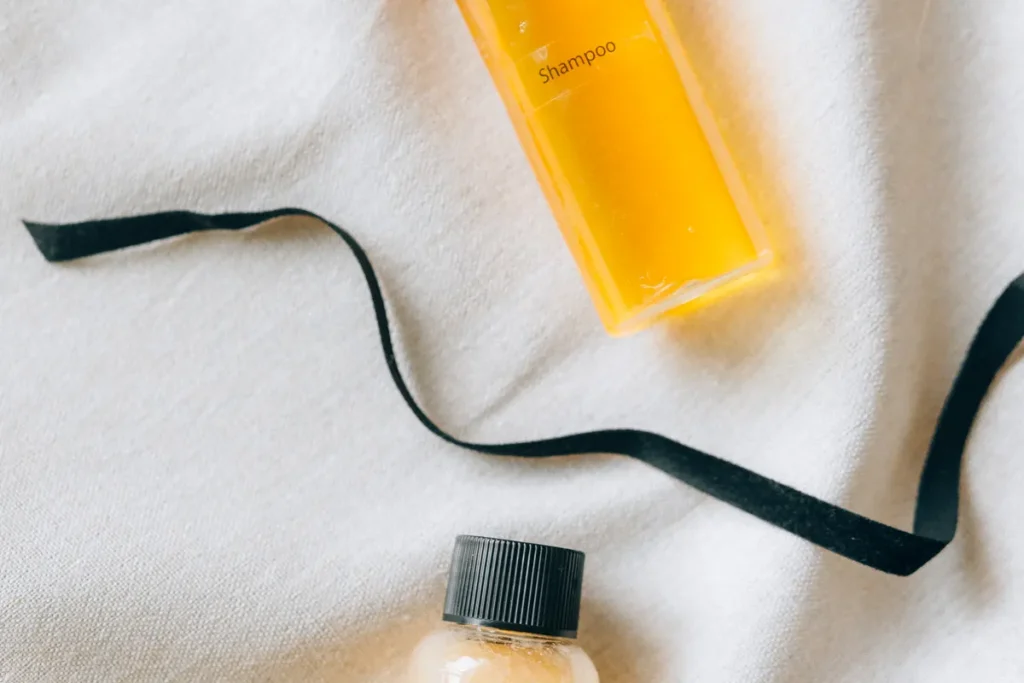
After shampooing, apply conditioner according to its label and your hair needs: fine or straight hair may benefit most from conditioning the ends, while dry or curly textures may need conditioning along more of the length. Let the product sit for the recommended time, then rinse as directed. Conditioner helps make hair easier to manage and can reduce friction during detangling; it is not a guarantee that damaged hair will become permanently repaired. The AAD’s damage-prevention advice recommends using conditioner whenever you shampoo.
4. Dry Your Hair Gently with a Soft Towel

The photo shows a soft towel held around the hair. Use that same gentle approach after washing and avoid vigorously rubbing wet hair with a rough towel, which can increase tangles and breakage. Instead, use a soft cotton T-shirt or absorbent microfiber towel to blot excess water and loosely wrap the hair for a short time. Avoid twisting the wrap tightly or pulling at damp strands. If you air-dry, let the hair rest without constant handling; if you use a dryer, follow the manufacturer’s heat and distance instructions. The AAD recommends gentle towel drying rather than harsh friction.
5. Work Through Tangles with a Wide-Tooth Comb
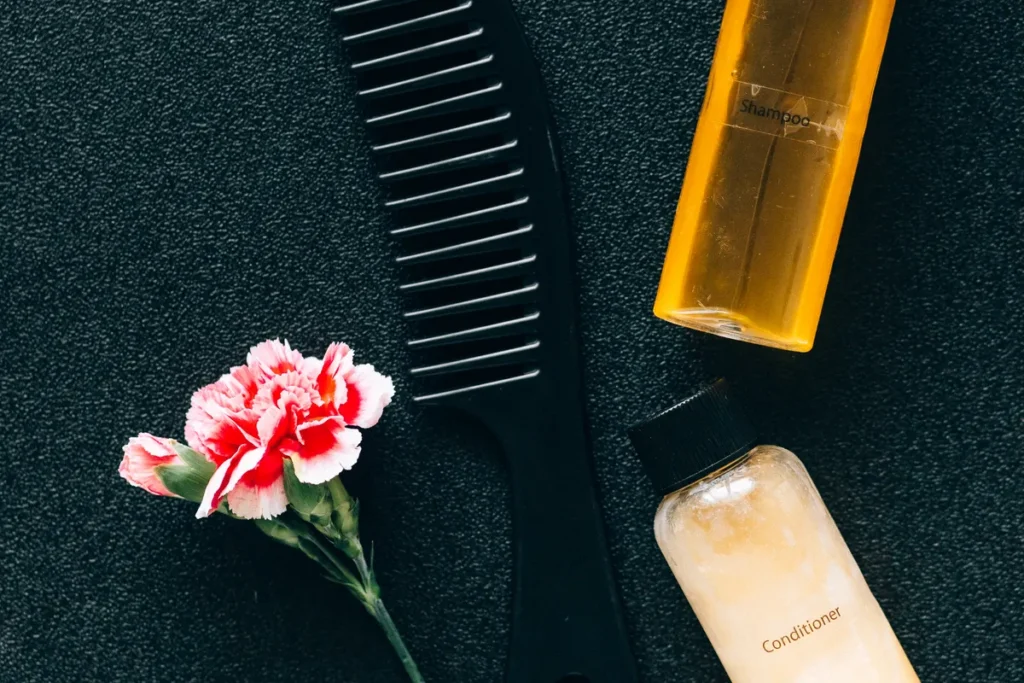
Begin detangling at the ends of your hair, work upward in short sections and stop if you feel strong pulling. A wide-tooth comb can help minimize tugging, but the best moment to comb depends on hair texture: people with tightly curled or textured hair may find damp, conditioned hair easier to manage, while straight hair can be more fragile immediately after washing and may benefit from a little drying time first. The AAD’s hair-care tips explain these differences. There is no need to brush a fixed number of strokes each day.
6. Limit Heat Styling and Protect Fragile Strands
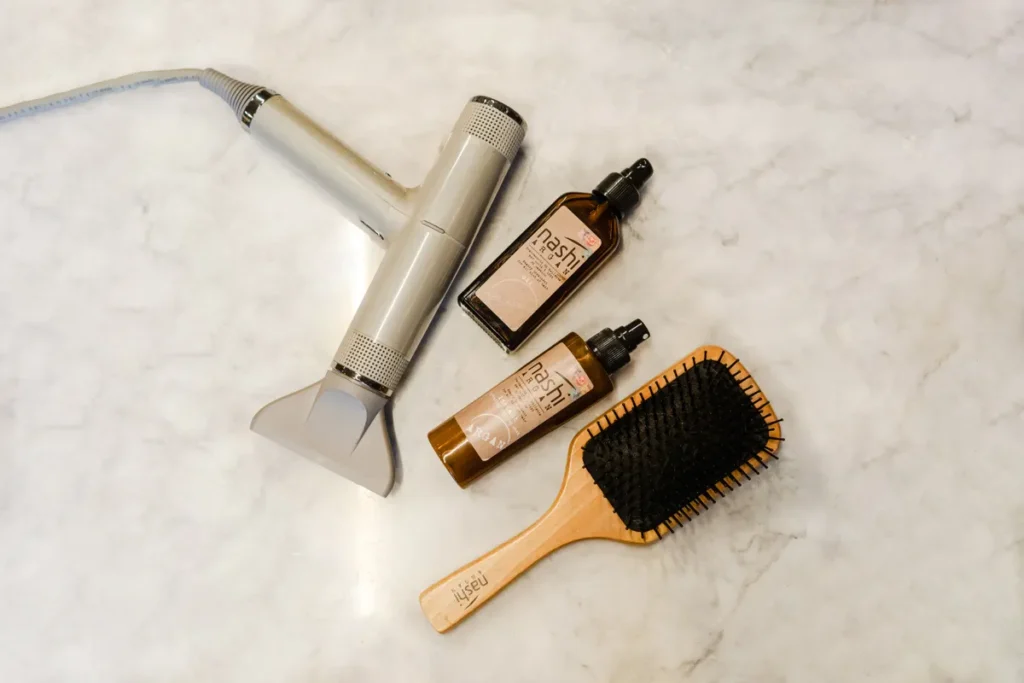
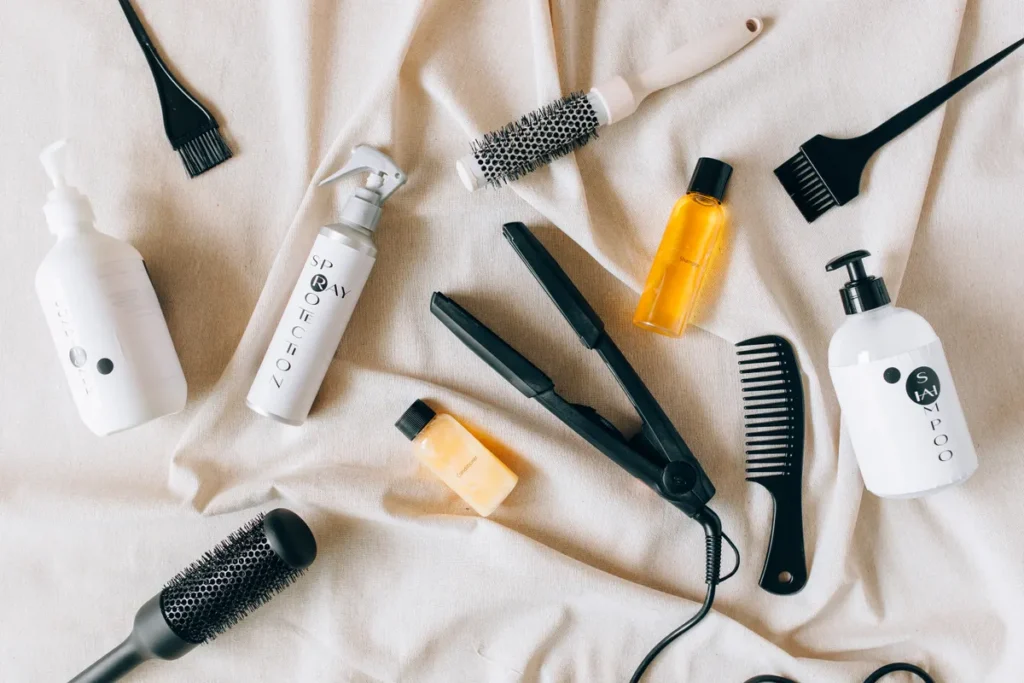
The hairdryer, round brush and styling products in this photograph are useful tools for some routines, but frequent high heat can contribute to dryness and breakage. When practical, let your hair dry partially or fully without heat, and use a lower or medium temperature when a dryer or styling tool is necessary. Follow instructions for heat-protection products, keeping in mind that no product removes all risk of heat damage. Avoid holding hot tools on the same section for too long and keep electrical appliances away from water. The American Academy of Dermatology recommends limiting hot tools and using gentler styling methods where possible.
7. Handle Your Hair Gently When Styling
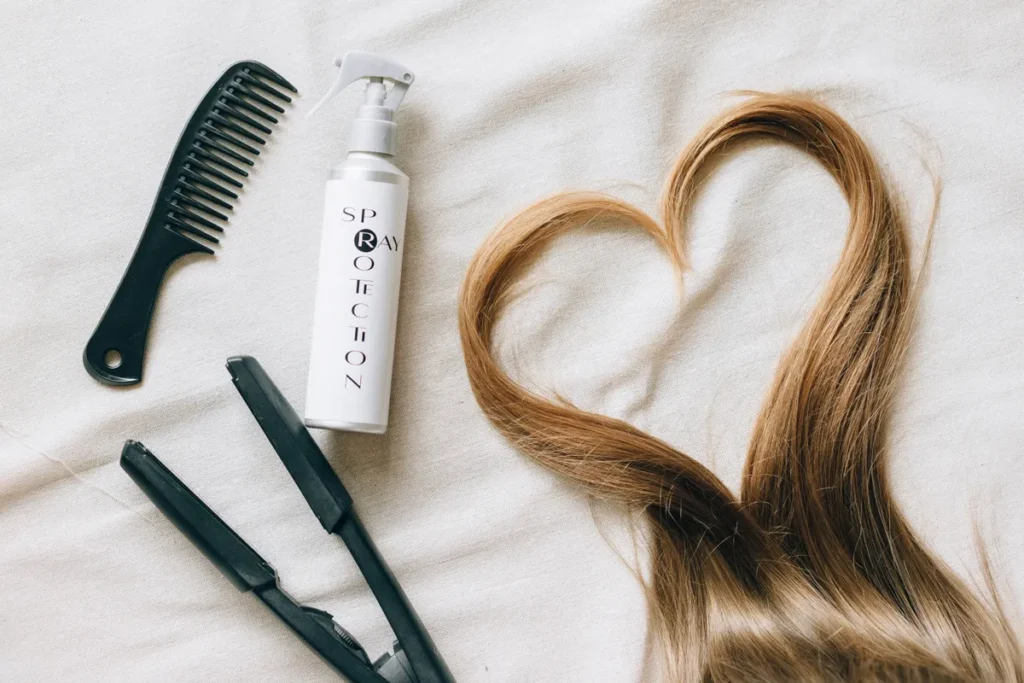
Avoid repeatedly pulling hair into very tight ponytails, buns or braids, and use soft accessories when possible. Choose a hairstyle that feels comfortable at the scalp, especially if you wear a head covering for long periods, and adjust pins or ties that cause tension. Try not to tug when removing accessories or working through knots. The AAD cautions against frequent tight hairstyles and rough brushing, which can contribute to breakage and, over time, hair loss. If you notice persistent shedding, scalp discomfort or thinning, consult a dermatologist rather than relying on a cosmetic treatment.
Practical Tips Before You Start a Hair Care Routine
Identify what your hair and scalp actually need before adding new products. Wash often enough for your scalp and texture, use conditioner after shampooing, and choose a wide-tooth comb or other gentle detangling method. Limit strong heat and avoid styles that pull tightly at the scalp. The AAD’s healthy-hair guidance explains how to adapt washing and combing to different hair types; its damage-prevention advice covers everyday habits that can cause breakage. Keep your tools clean and dry, and follow product labels. For another easy beauty routine, see our beginner skincare guide.
Final Thoughts on a Gentle Hair Care Routine
Healthy-looking hair does not require a complicated collection of products or a perfect styling routine. Begin with a shampoo and conditioner suited to your hair type, wash when your scalp needs it, and reduce unnecessary pulling and heat. Notice how your hair responds over time and keep what genuinely helps. If you experience persistent scalp symptoms, substantial breakage or new hair loss, a board-certified dermatologist can help identify causes that a beauty routine alone cannot address.
Useful Official Hair Care Resources
For reliable hair-care information, consult the American Academy of Dermatology’s tips for healthy hair, its guide to reducing hair damage and its everyday hair care resource center. These general tips are not a substitute for individual advice from a dermatologist. The editorial photographs are from Pexels under the Pexels license.
You May Also Like
BEAUTY
7 Simple Skincare Routine Tips for Beginners
Explore gentle cleansing, moisturizing and sun-protection habits for a manageable daily routine.